
Tilt Rotator OEM Supplier: Trusted Equipment & Solutions
From my workshop, the Tilt Rotator is built to transform how you approach excavation and material handling. I designed it for crisp, hydraulic-driven tilt and rotation, delivering faster cycle times and better breakout. As an OEM and Supplier, I know your success hinges on reliability, compatibility, and service. The Tilt Rotator offers seamless attachment to excavators, precise 360-degree rotation, and programmable tilt angles for multi-application tasks—from trenching to backfilling. I source high-grade steel and hardened pins to endure tough sites, and I pair it with smart hydraulic flow control to protect your equipment. The compact mount minimizes installation changes and reduces downtime, while the integrated quick coupler compatibility makes changeouts simple for OEM specs and fleet management. If you want to boost productivity, lower fuel consumption, and win more bids, this Tilt Rotator is your off-road edge.
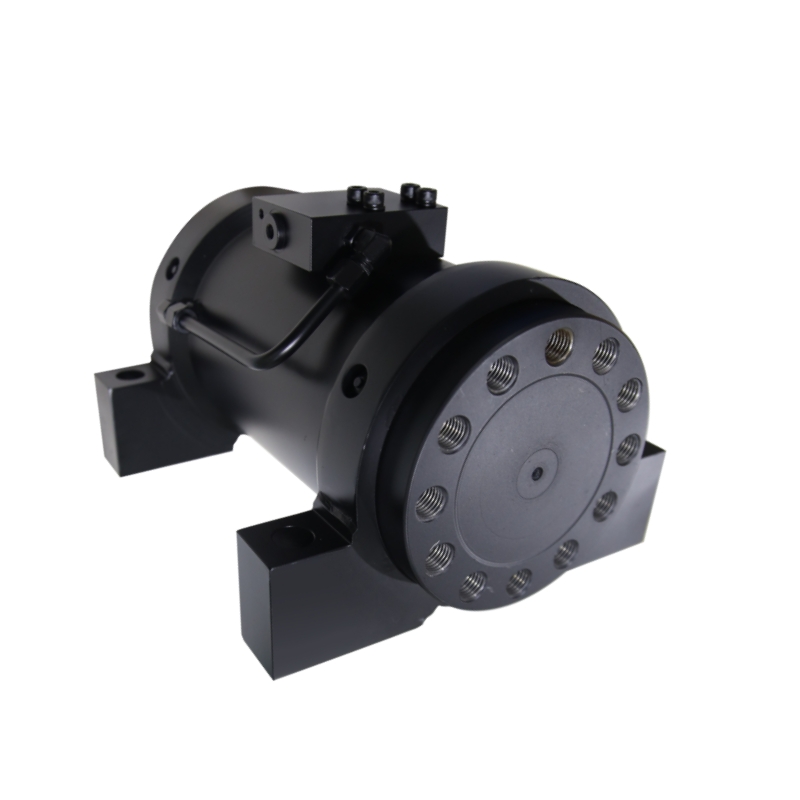

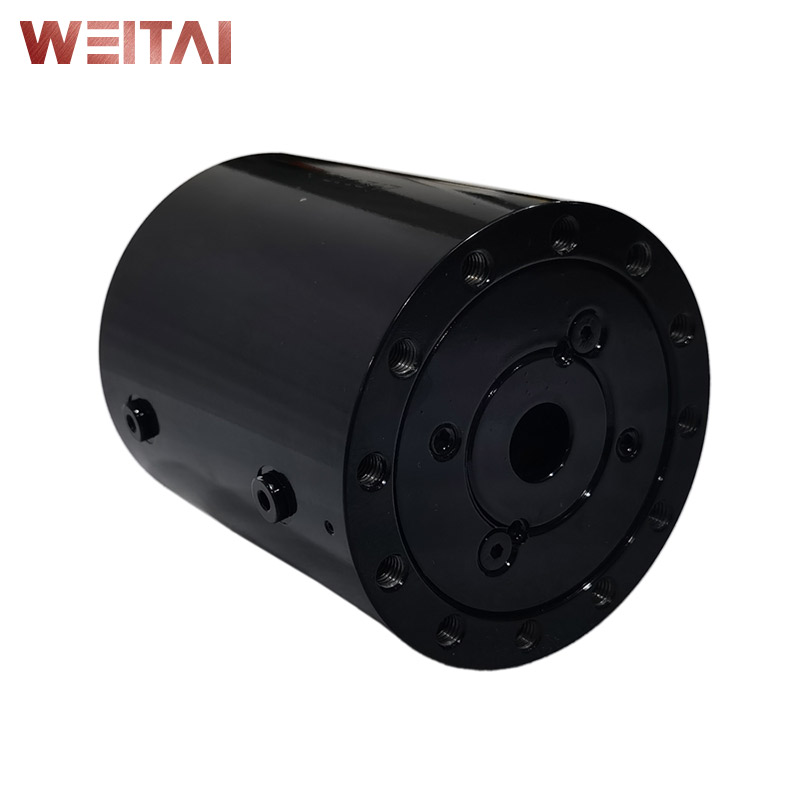
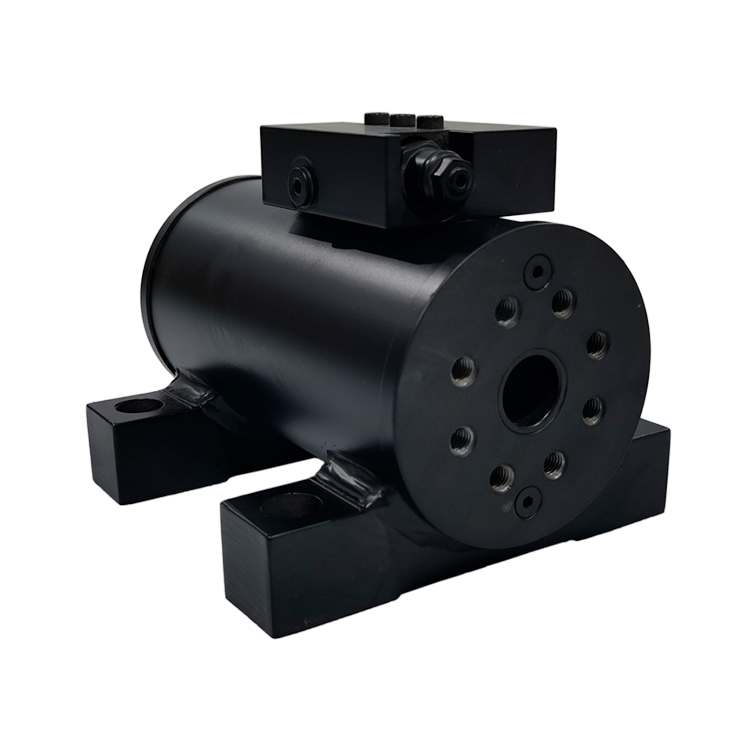
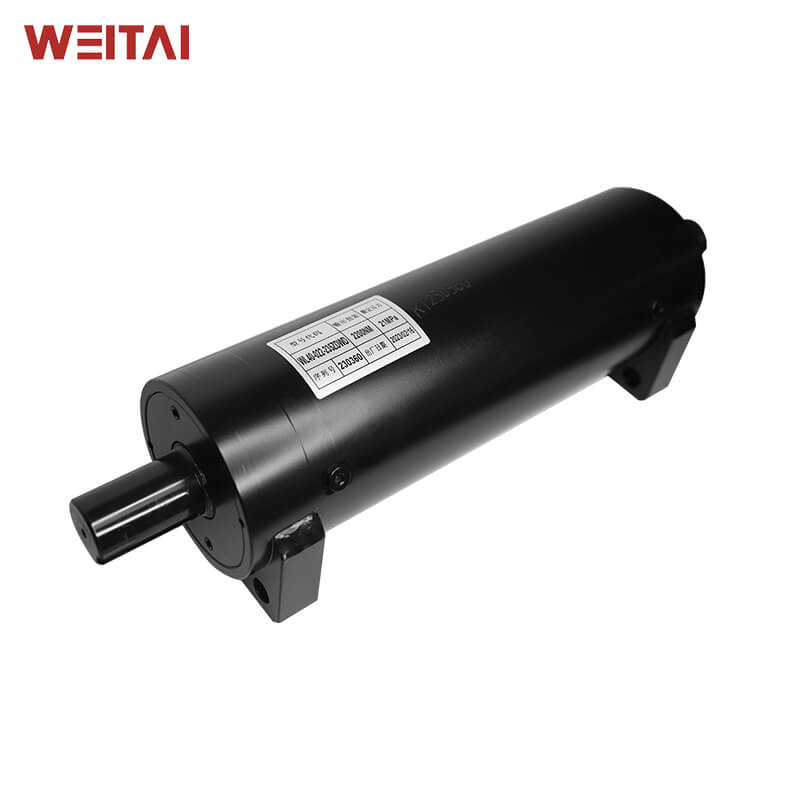
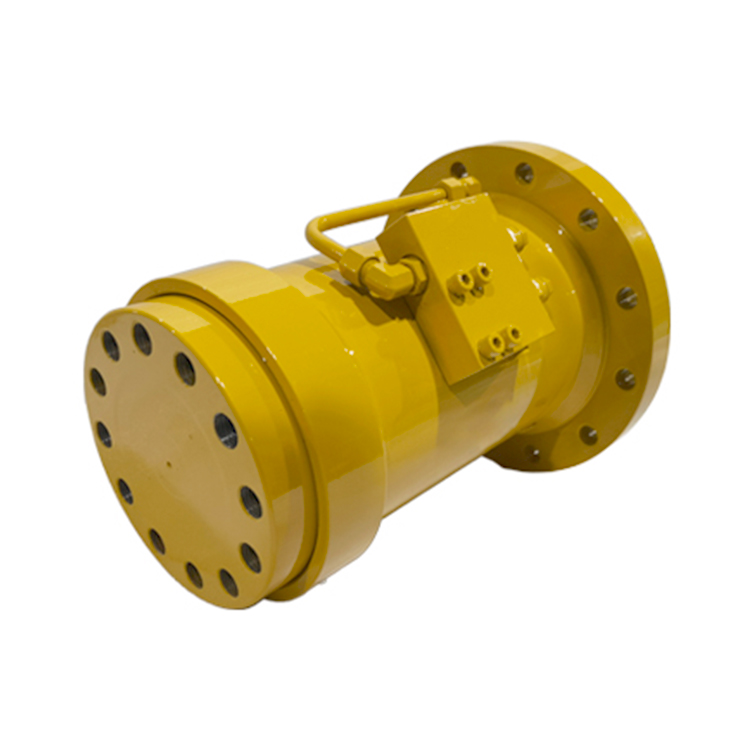
Tilt Rotator Factory Trusted by Pros
Across tough job sites, tilt rotators expand machine reach and versatility. A factory trusted by pros blends rugged hydraulic design with disciplined quality controls to deliver reliable rotation and precise tilt. Its modular platform fits many cranes and attachments, while reinforced seals and pins withstand harsh environments, delivering long service life and consistent performance. Global buyers value predictable delivery, standardized interfaces, and customization options for offsets, tilt range, and hydraulic flow. From raw material to finished product, strong process controls and rapid after-sales support minimize downtime, with a scalable production capacity and a global service network that keeps fleets productive and operators confident in every forecasted project.
| Model | Weight (kg) | Tilt Range (deg) | Rotation Speed (rpm) | Max Torque (Nm) | Hydraulic Flow (L/min) | Operating Pressure (bar) | Mount Type | Compatibility (ton) |
|---|---|---|---|---|---|---|---|---|
| A1 | 520 | 0-180 | 0-8 | 15000 | 25 | 180 | 2-point | 5-8 |
| A2 | 610 | 0-200 | 0-10 | 18000 | 28 | 190 | 3-point | 7-12 |
| A3 | 480 | 0-170 | 6.5 | 14000 | 22 | 170 | 2-point | 4-7 |
| A4 | 800 | 0-210 | 12 | 21500 | 30 | 205 | Flange | 10-16 |
| A5 | 420 | 0-150 | 6 | 12500 | 20 | 160 | 2-point | 3-6 |
| A6 | 720 | 0-190 | 9 | 19900 | 32 | 210 | 3-point | 12-18 |
| A7 | 550 | 0-160 | 7.5 | 15050 | 24 | 180 | 2-point | 5-9 |
| A8 | 990 | 0-225 | 11 | 26500 | 38 | 230 | Flange | 16-26 |
| A9 | 660 | 0-180 | 9 | 16100 | 26 | 190 | 3-point | 8-14 |
Related Products
4.jpg)
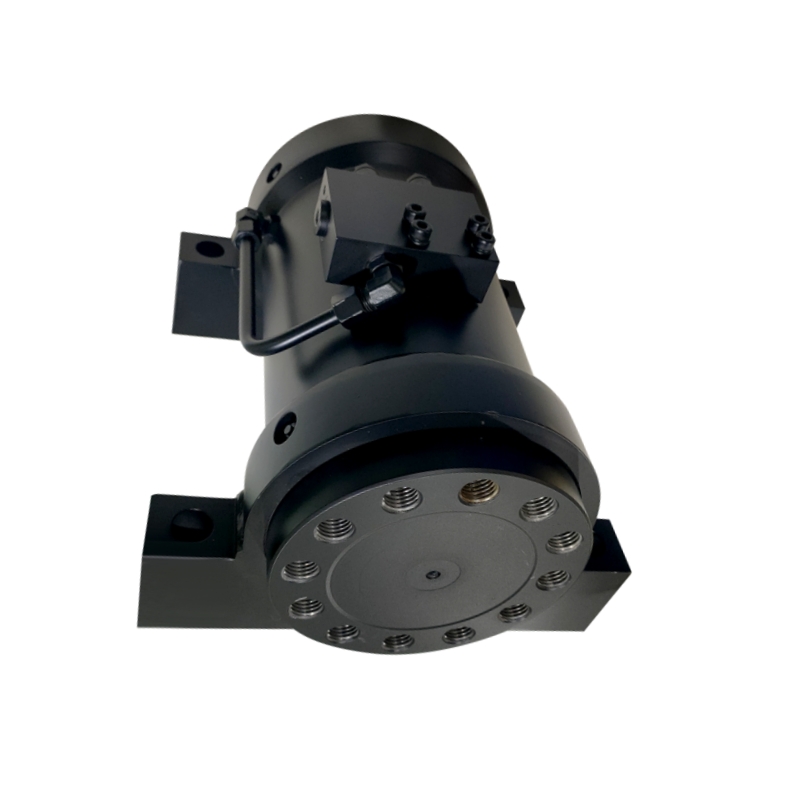
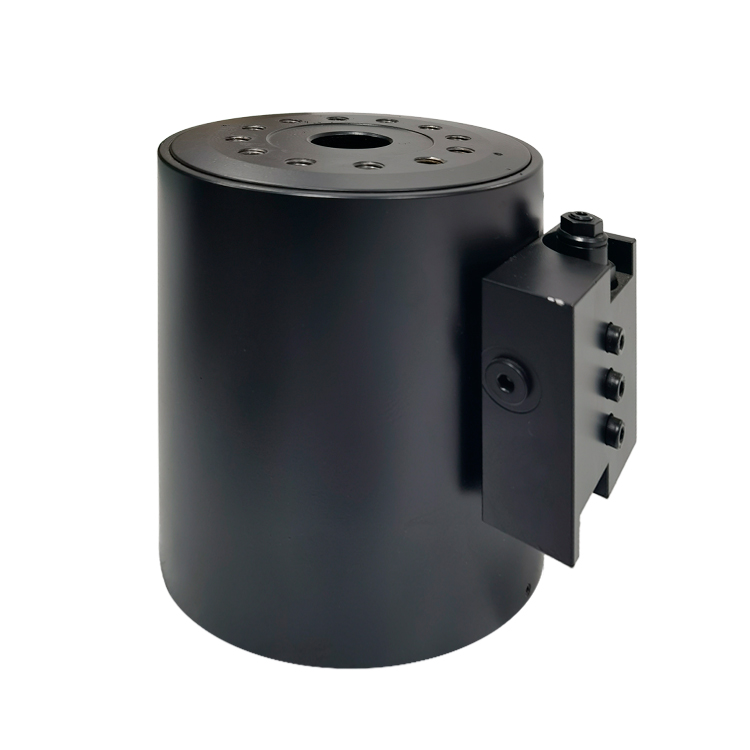
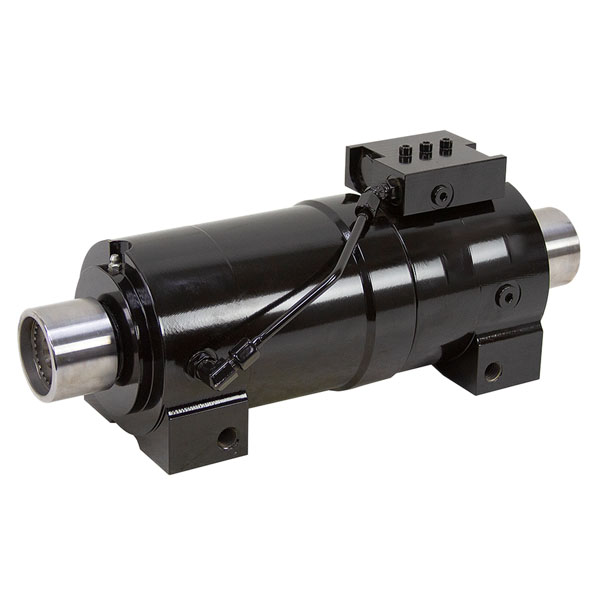


Tilt Rotator Guarantees Peak Performance Outperforms the Competition
Top Selling Products

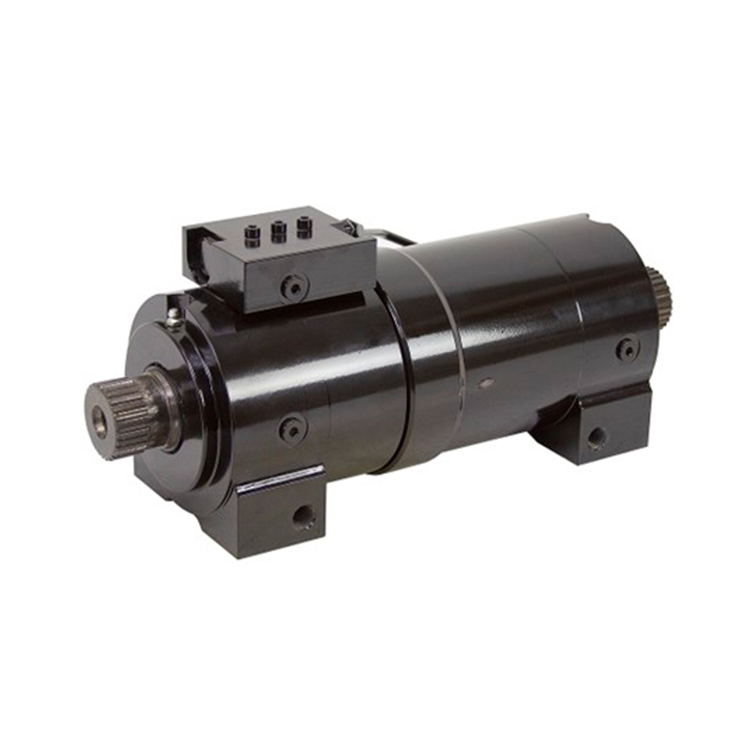
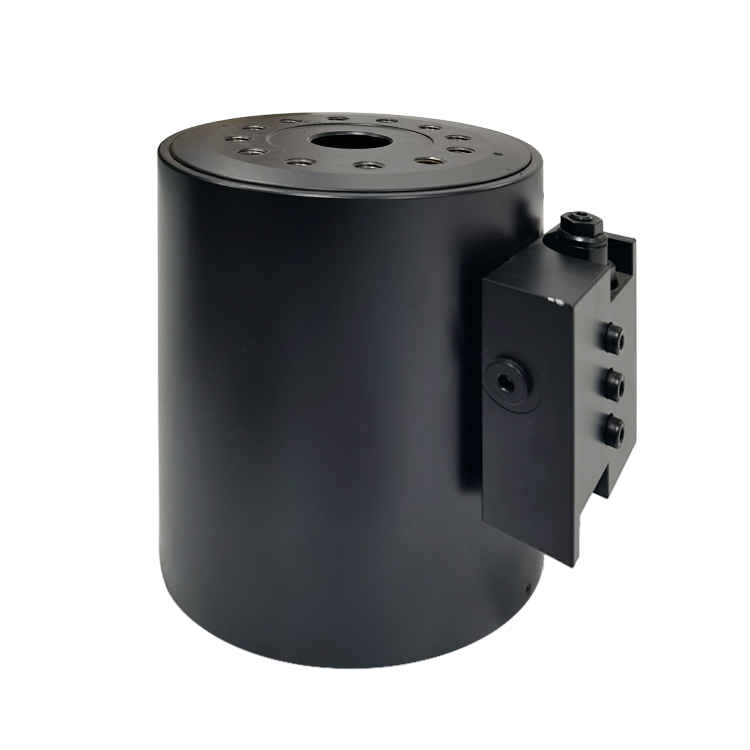

- Related Blog
- Related Videos
- Reviews
- Related Videos
- Reviews
