
Kobelco Tilt Rotator Wholesale Manufacturer
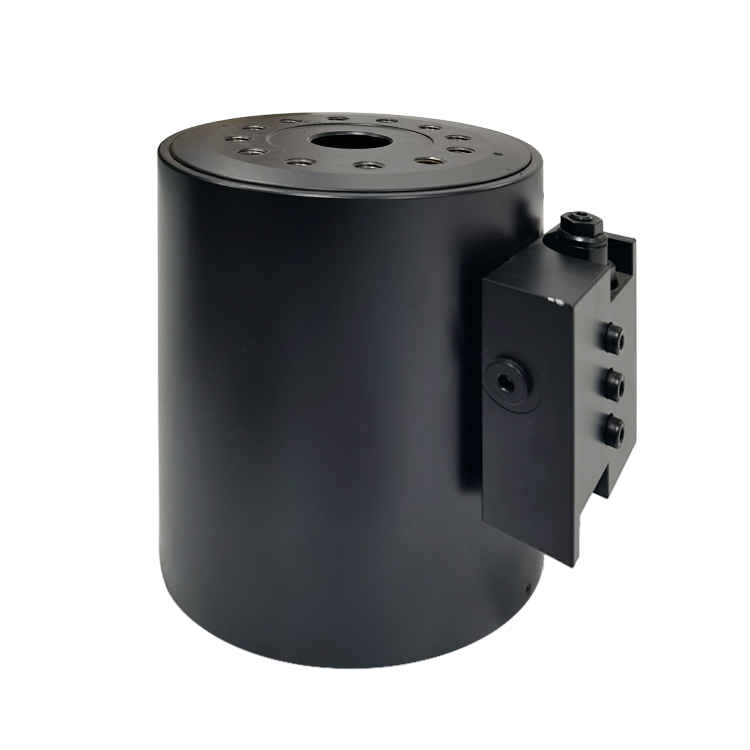
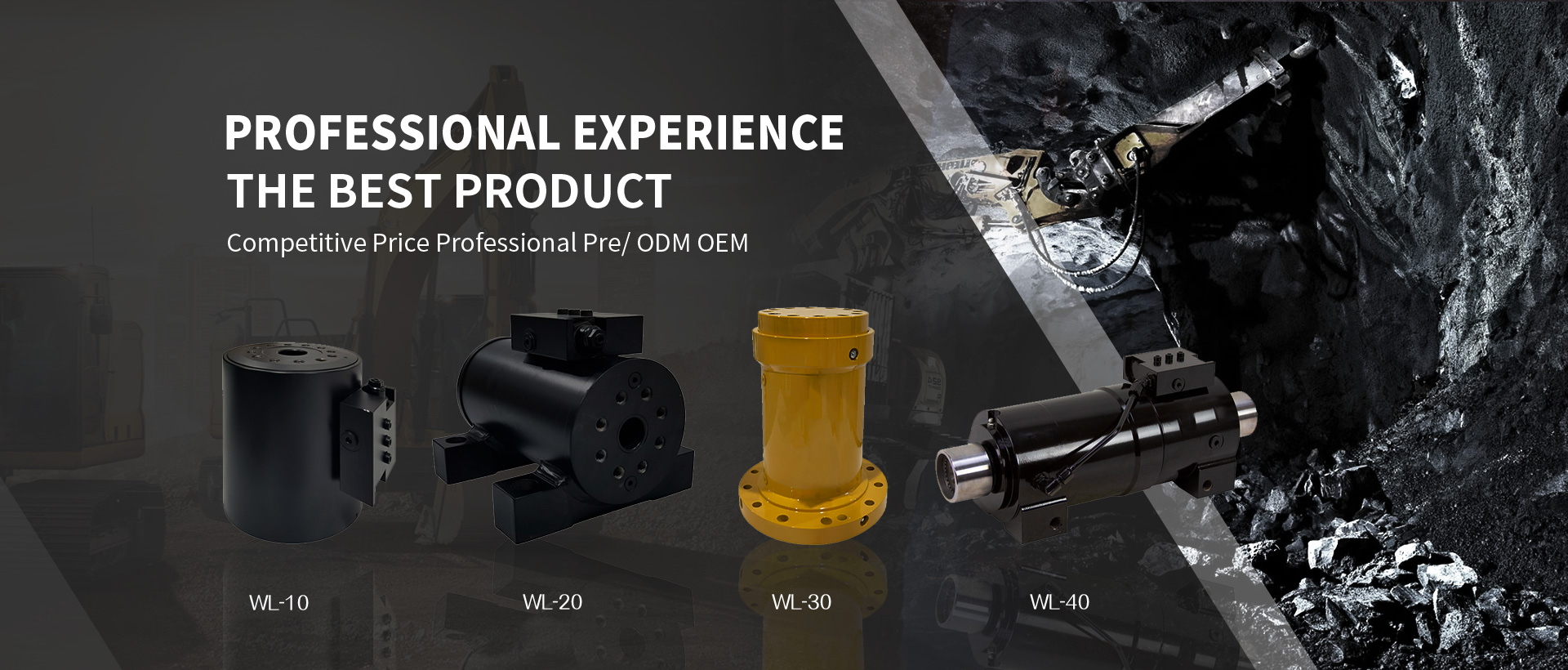
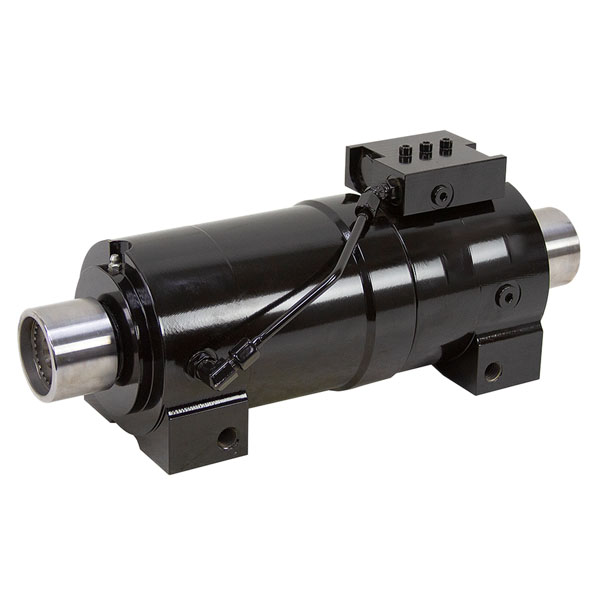
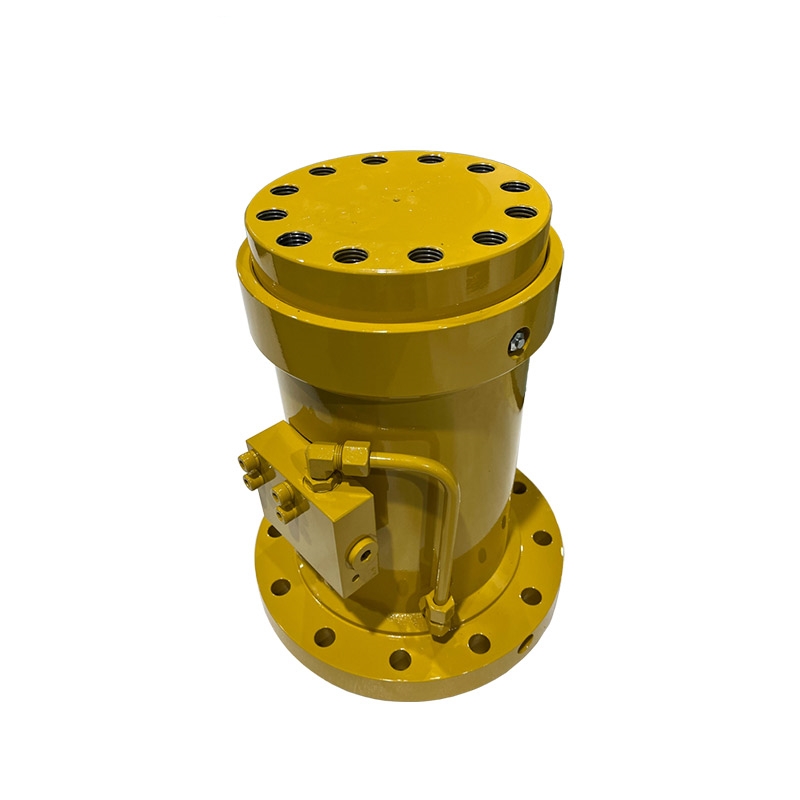
From the moment I fit the Kobelco Tilt Rotator to my excavator, I feel the workflow change. As a Manufacturer, I deliver a system that boosts digging accuracy, cuts downtime, and makes attachment handling easier. The Kobelco Tilt Rotator integrates with most SK excavators, delivering 360-degree tilt rotation and hydraulic power right at the tool tip. For Wholesale buyers, I offer flexible pricing, dependable support, and bulk spare parts availability. Built tough for harsh job sites, it features rugged seals and simple maintenance so crews keep productive. Operators highlight faster cycle times, cleaner trench lines, and less welding on site. With this rotator, I maximize machine utilization and crew safety. If you’re stocking for resale or distributing to contractors, I can tailor a package for your fleet size and shipping needs. Let’s quote today and move your equipment forward, worldwide.
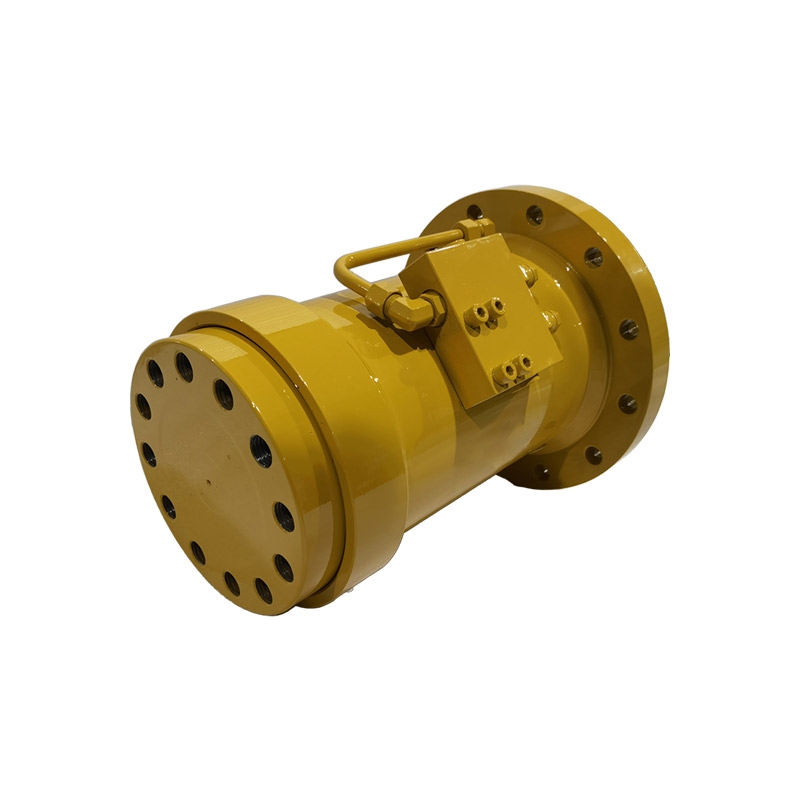
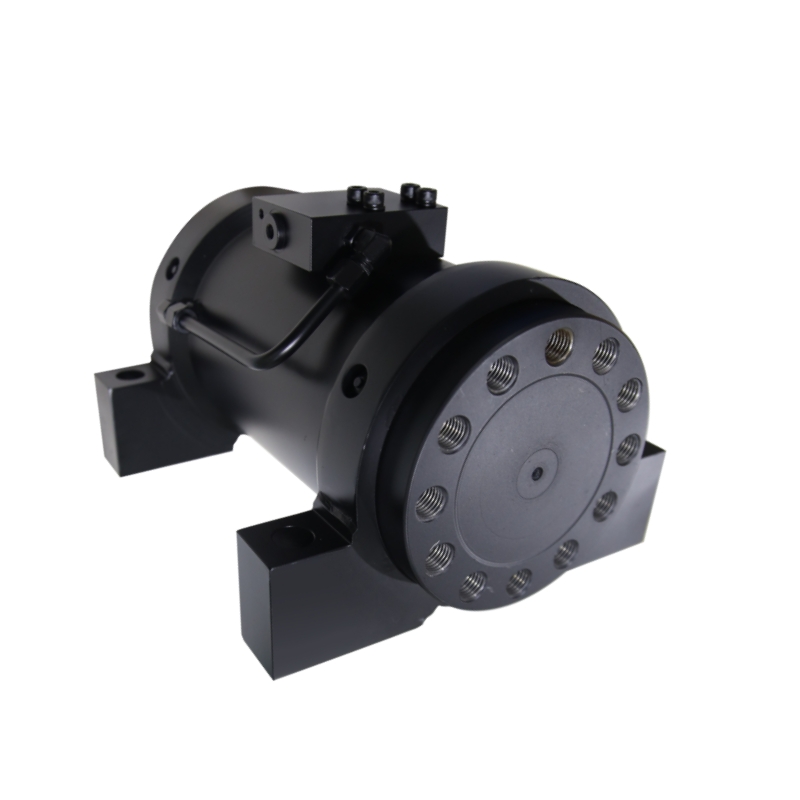


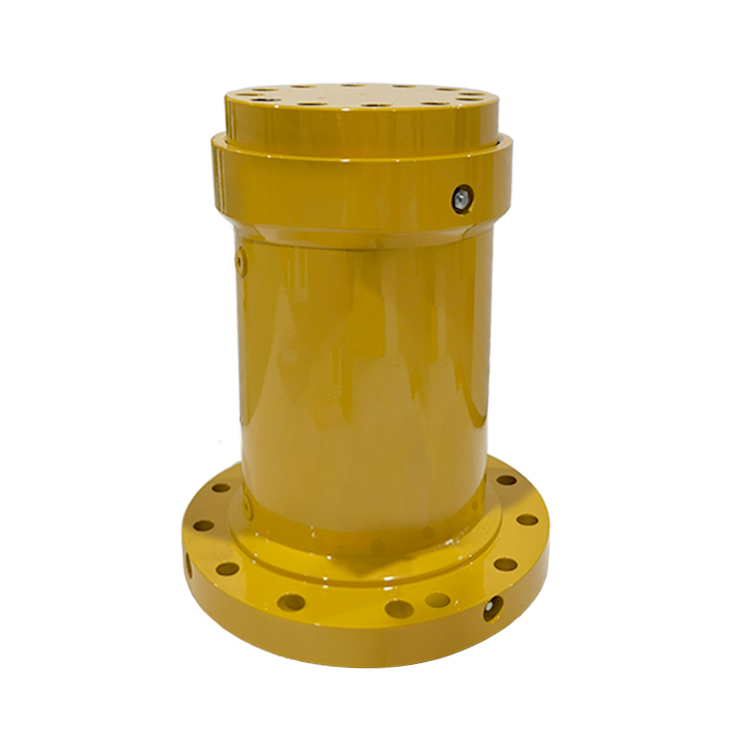
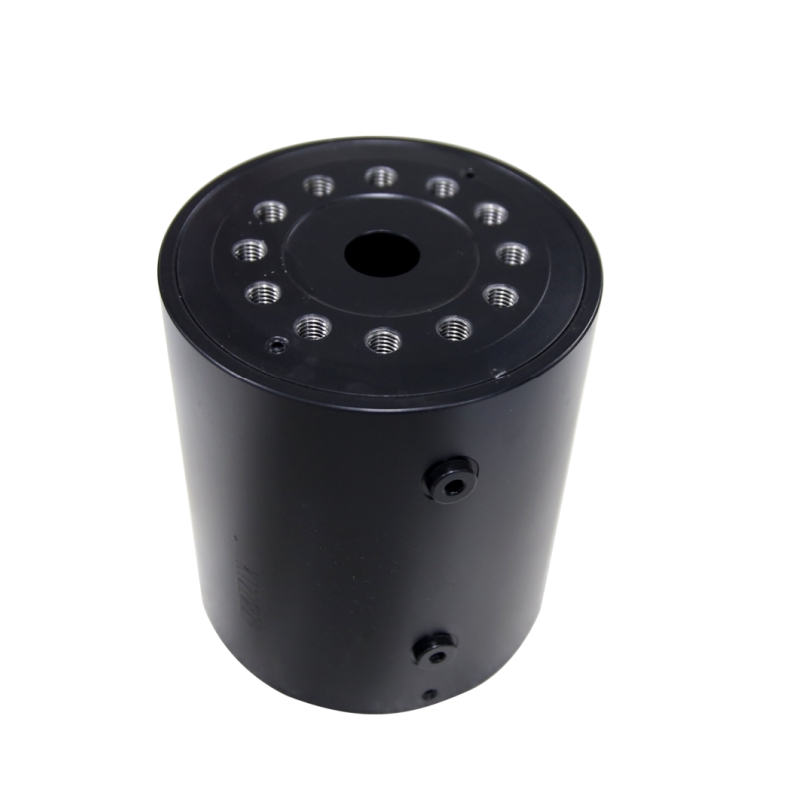
Kobelco Tilt Rotator Application Service
A tilt rotator system turns a standard excavator into a versatile multi-tool by enabling hydraulic rotation and precise attachment tilt. This application service helps operators reach confined work areas, improve trenching, grading, demolition, and sorting tasks, while reducing cycle times and the need to swap tools. On challenging sites, integrated control enhances safety and minimizes manual handling. Global buyers should consider compatibility with existing hydraulic and control systems, required flow and pressure, and mounting options, plus features like proportional controls and remote diagnostics. The service follows a staged approach: site assessment, professional installation and calibration, operator training, and ongoing maintenance with spare parts support to maximize uptime and return on investment.
| Parameter | Specification / Typical Value |
|---|---|
| Tilt range | ±45° (mechanical/hydraulic tilt range depending on mounting configuration) |
| Rotation | Continuous 360° rotation; typical rotation time 8–12 s per full revolution (under nominal hydraulic flow) |
| Actuation type | Hydraulic motor for rotation; double-acting hydraulic cylinder for tilt |
| Operating hydraulic pressure | Normal system pressure: 200–320 bar (peak capacity designed to 350 bar) |
| Hydraulic flow range | 40–160 L/min recommended for full performance envelope; flow control allows safe operation at lower flows |
| Compatible excavator weight class | 1.5 t – 30 t classes covered across product variants; selection based on attachment mass and boom reach |
| Unit operating weight (typical variants) | Light series: 120–210 kg; Medium series: 220–480 kg; Heavy series: 480–950 kg |
| Maximum breakout / holding force (typical) | Range: 30–320 kN depending on cylinder size and system pressure |
| Mounting interface | Standard pin-on or coupler-ready interfaces; mounting plates use metric pin diameters and spacing per industry norms |
| Control & hydraulic connections | Multi-way control spool recommended; integrated 4-way rotator swivel with high-pressure hoses and centralized grease points |
| Common application types | Trenching, grading, slope cutting, precision positioning of attachments (e.g., hydraulic hammers, grapples, compactors), urban excavation work |
| Recommended maintenance interval | Grease pivot points every 50–100 hours; hydraulic filter change and system check every 250–500 hours depending on operating environment |
| Hydraulic oil specification | ISO VG 46–68 recommended; viscosity and additive package must meet equipment OEM hydraulic system requirements |
| Seal materials | Combination of polyurethane and high-temperature elastomers (e.g., fluorocarbon-based where exposure to heat/contaminants is expected) |
| Operating temperature range | -20°C to +80°C (typical); consult hydraulic fluid and seal choices for extreme cold/heat applications |
| Typical service checks | Visual inspection for leaks, check swivel performance, inspect tilt cylinder rod for scoring, verify rotation motor mounting bolts and lubrication points |
| Failure modes & mitigation | Common: seal wear, contamination-induced wear, hose abrasion. Mitigation: regular filtration, proper hose routing, scheduled seal replacement |
| Common retrofit considerations | Verify boom linkage geometry and reach; evaluate hydraulic pump capacity and cooling; ensure safe counterweight and stability margins |
| Performance testing | Recommended on-installation checks: leak test at working pressure, functional cycle test (tilt + rotate under load), torque verification of mounting fasteners |
| Notes | Values are representative of typical tilt-rotator application service data across multiple unit sizes. Selection and setup must follow machine-specific specifications and certified service procedures. |
Related Products
2.jpg)
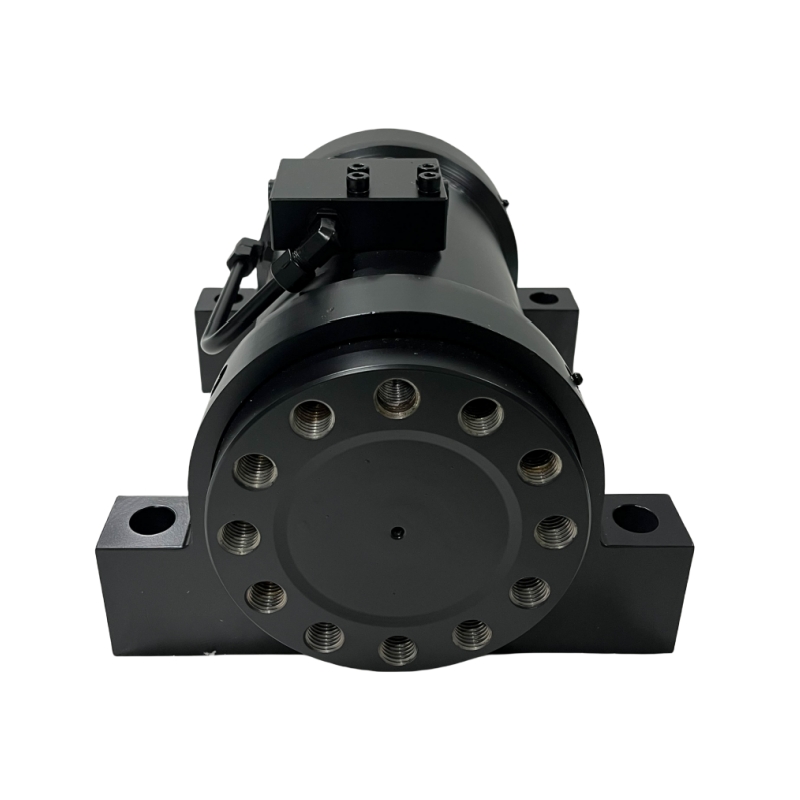
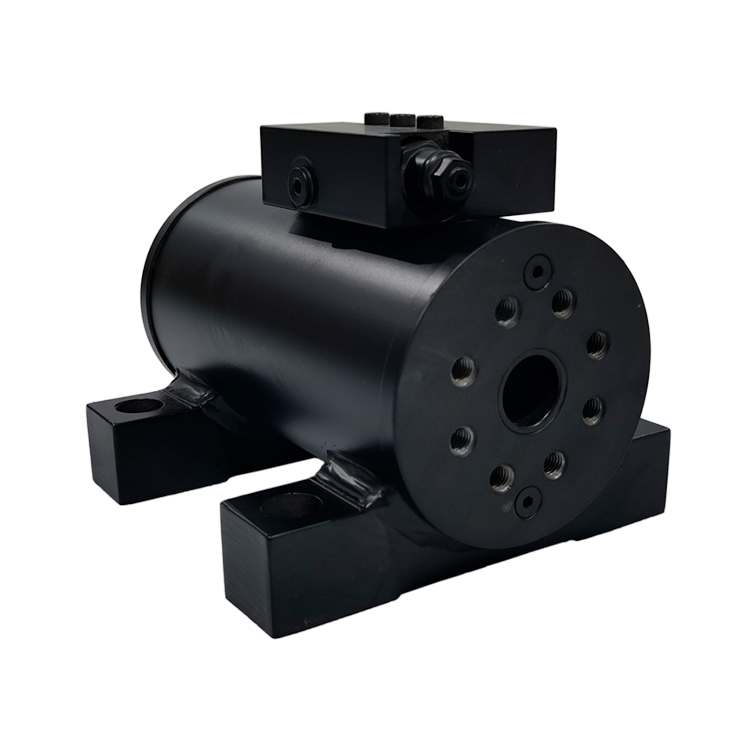
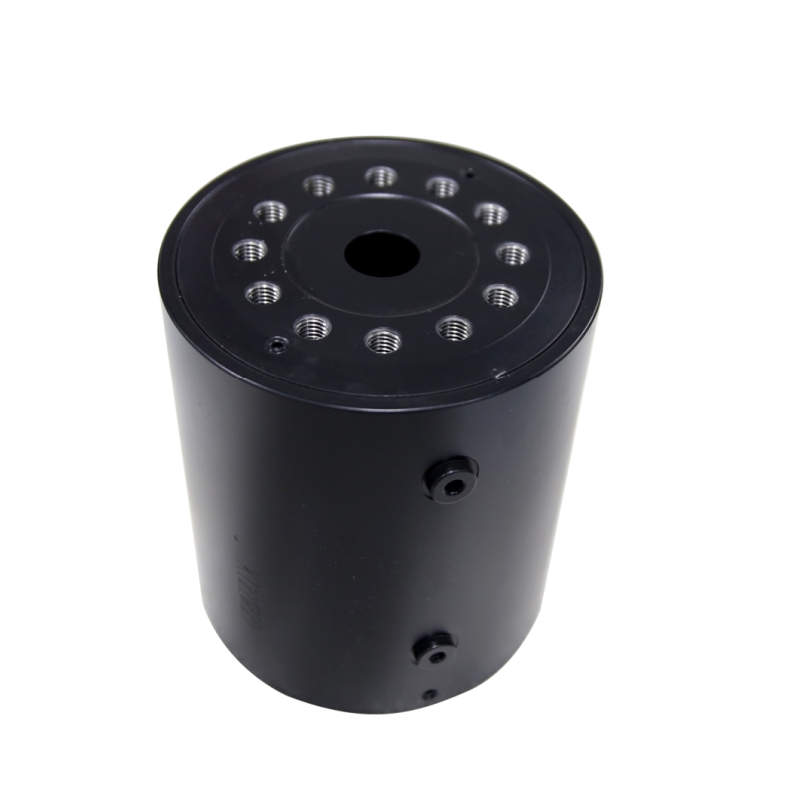

Kobelco Tilt Rotator Supplier in 2025
Top Selling Products

- Related Blog
- Related Videos
- Reviews
- Related Videos
- Reviews
