

Tilt Coupler Vs Tilt Rotator: High-Quality Manufacturers Guide
From a manufacturer's view, Tilt Coupler Vs Tilt Rotator is more than a buzzword—it's about uptime and accuracy on the job site. I align this choice with your application: loader arms, excavators, material handling. Our High-Quality Tilt Coupler solutions offer fast coupling/detaching with secure locking, while Tilt Rotators provide continuous rotation and precise hydraulic tilt for complicated working angles. In practice, I help buyers compare side by side: load capacity, hydraulic flow compatibility, mounting standards, and maintenance needs. We design both for rugged environments, with robust seals, thread protection, and long service life. For Manufacturers aiming to cut cycle times, I recommend opting for the version that matches your hydraulic power and control system, plus a modular kit for retrofit. If you want reliable performance and clear total cost-of-ownership, I’ve got you covered with honest specs and proven after-sales support.


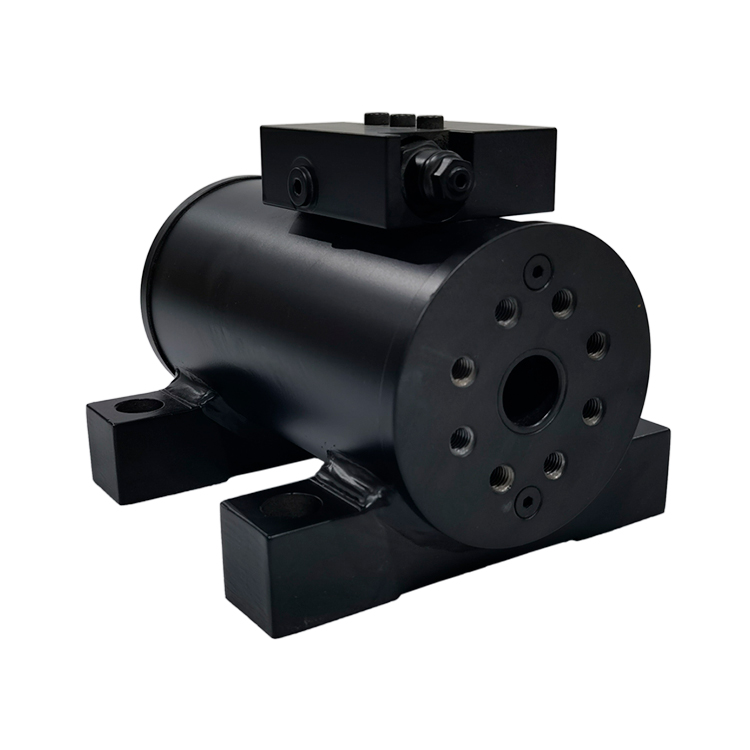
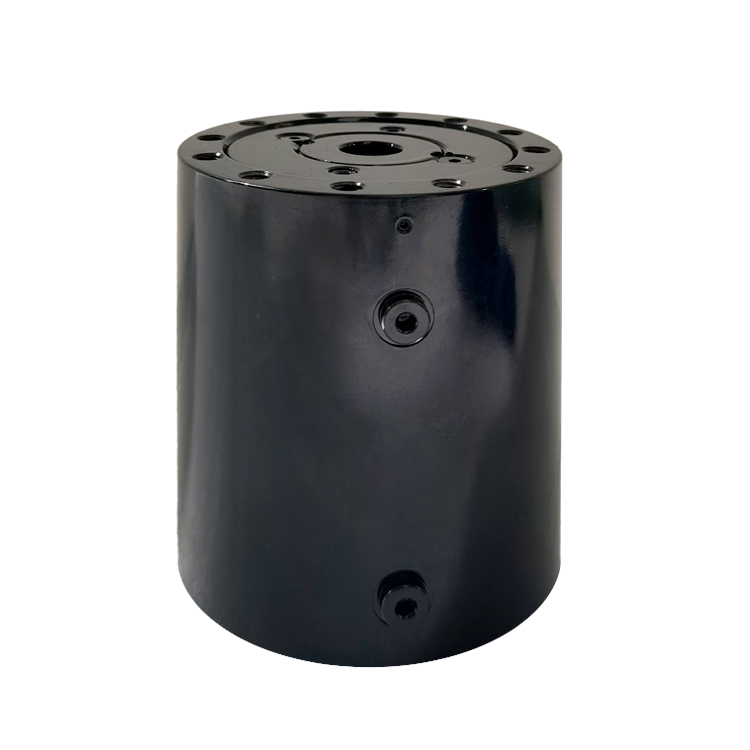


Tilt Coupler Vs Tilt Rotator Manufacturer Application
Global buyers should consider the scope of work before choosing tilt attachments. A tilt coupler adds hydraulic tilt to an attachment with a fixed tilt range for dumping or light trenching. A tilt rotator offers tilt plus 360-degree rotation, enabling precise tool positioning from the cab and reducing re‑handling in grading, demolition, landscaping, and utility work. The multi‑axis option often boosts productivity and versatility. Procurement factors include compatibility with the host machine (mount type, weight class, hydraulic flow), required tilt/rotation ranges, and durable seals and bearings for local conditions. Look for clear performance data, available spare parts, and reliable after‑sales support. Assess total cost of ownership—maintenance, control options, training, warranty, and safety features—to ensure safe, consistent performance across markets.
Related Products
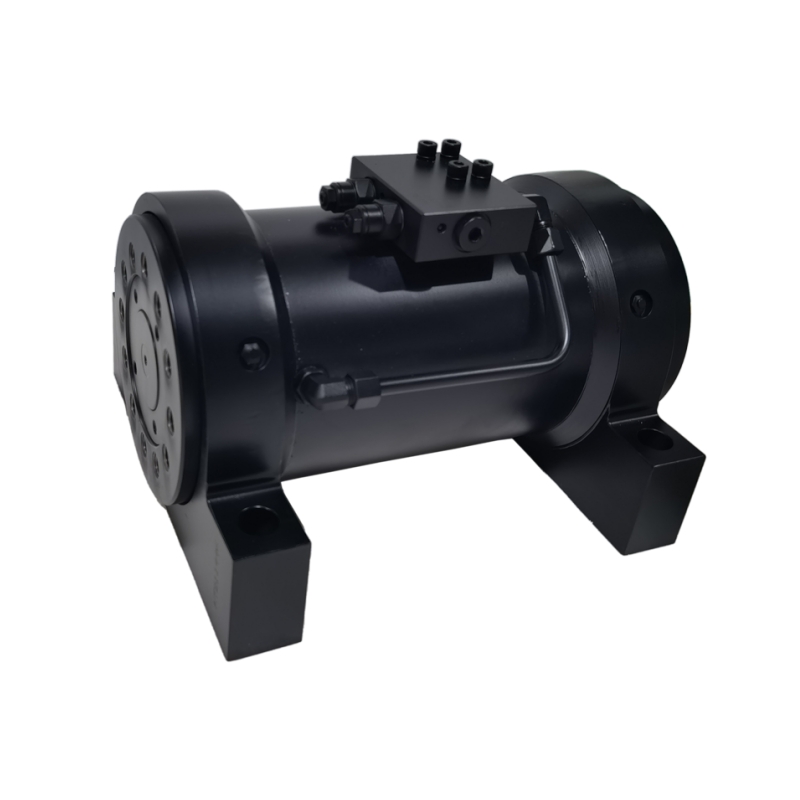
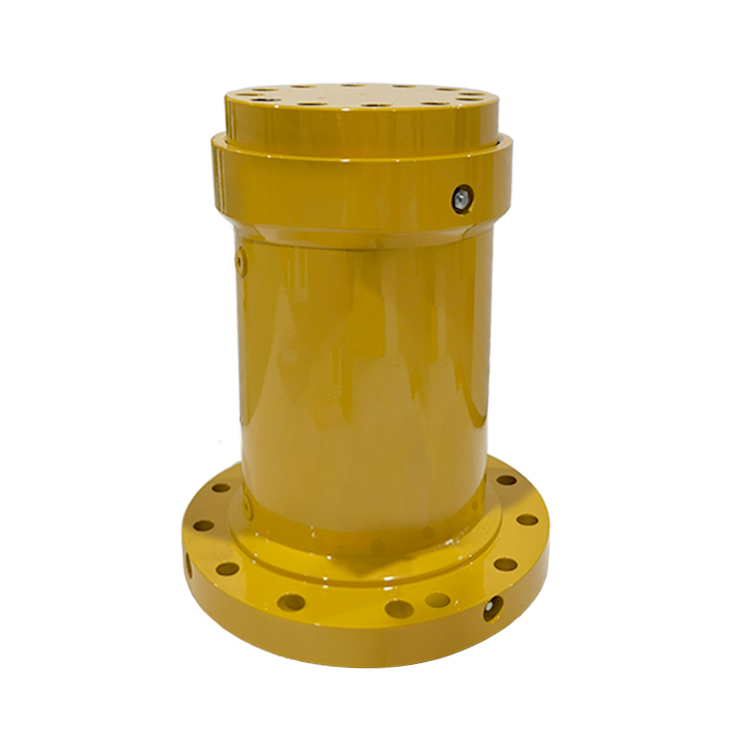
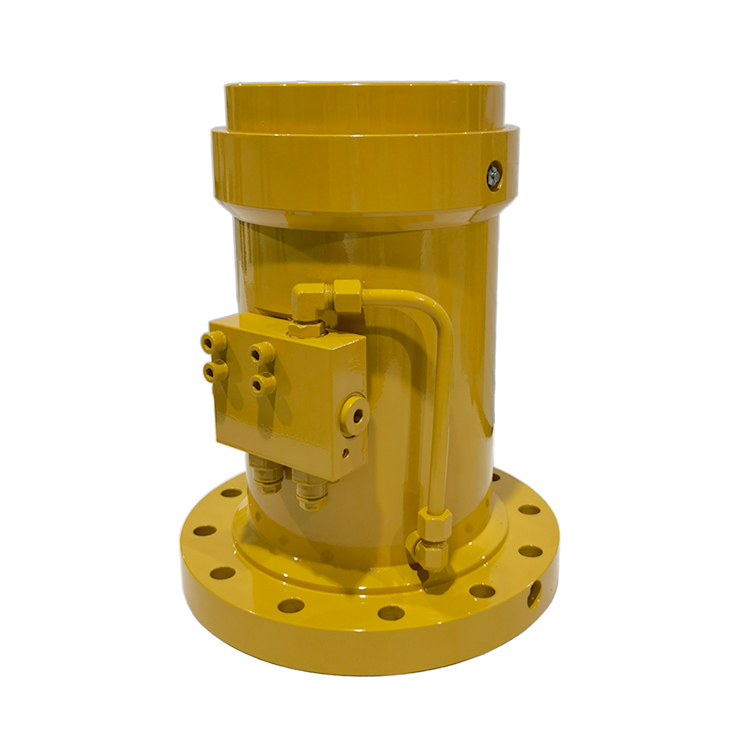

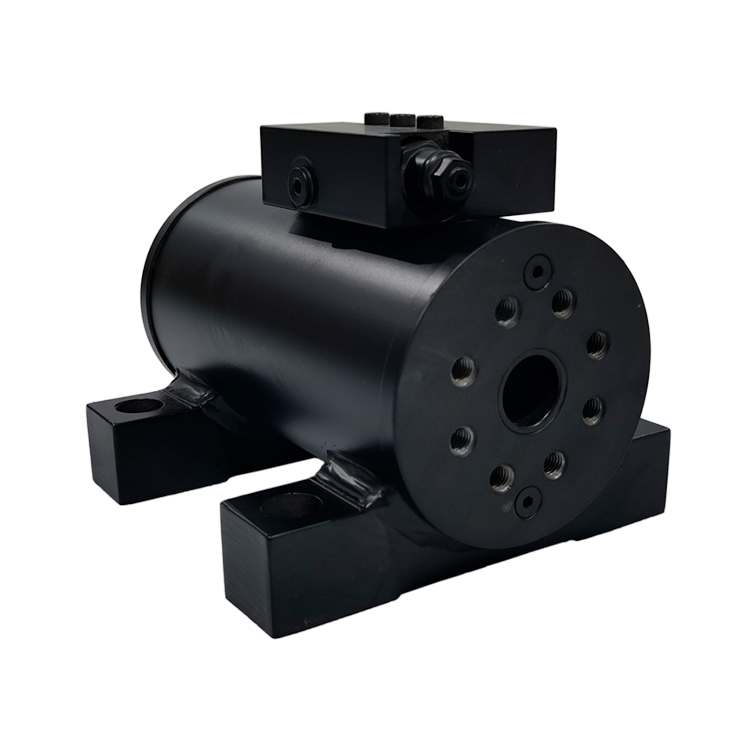
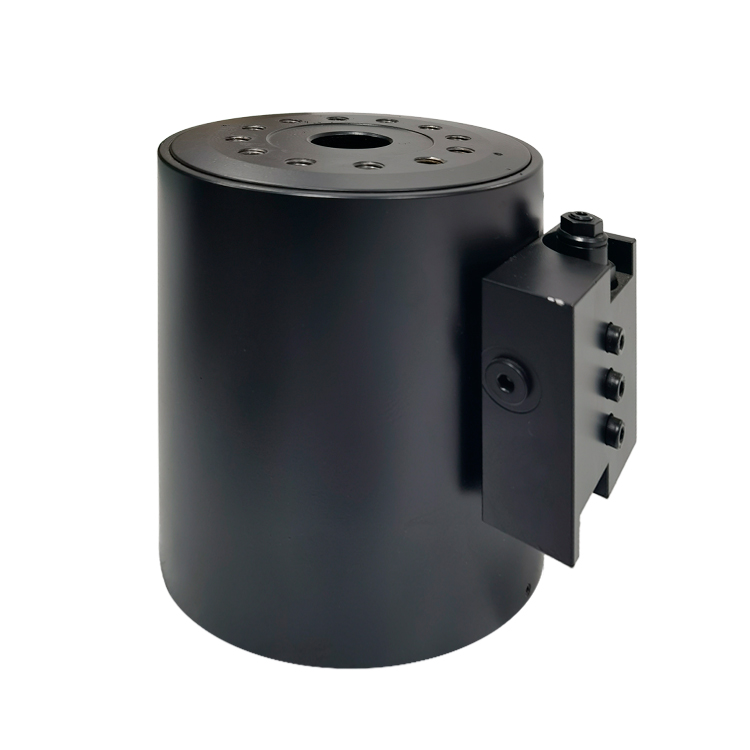
Tilt Coupler Vs Tilt Rotator Products Industry Giant
Top Selling Products


2.jpg)
- Related Blog
- Related Videos
- Reviews
- Related Videos
- Reviews
