
Komatsu Tilt Rotator Wholesale Manufacturer - OEM Parts & Service
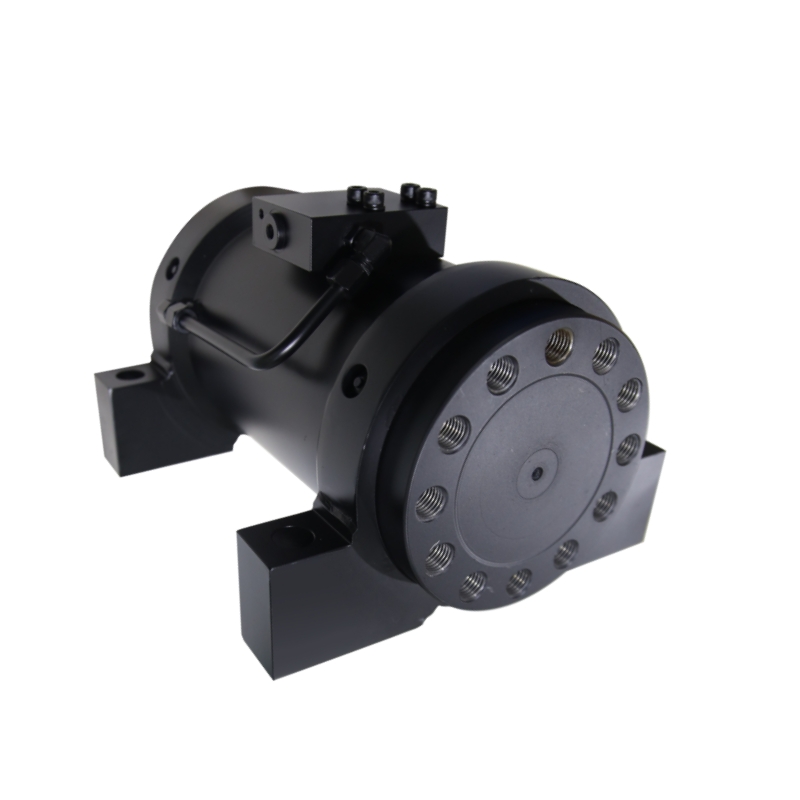
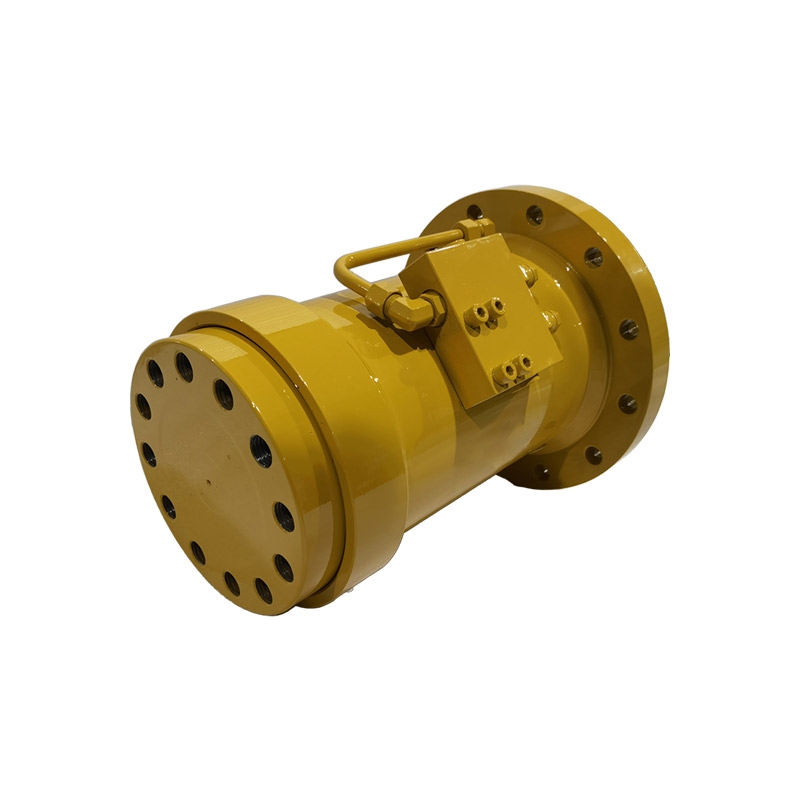
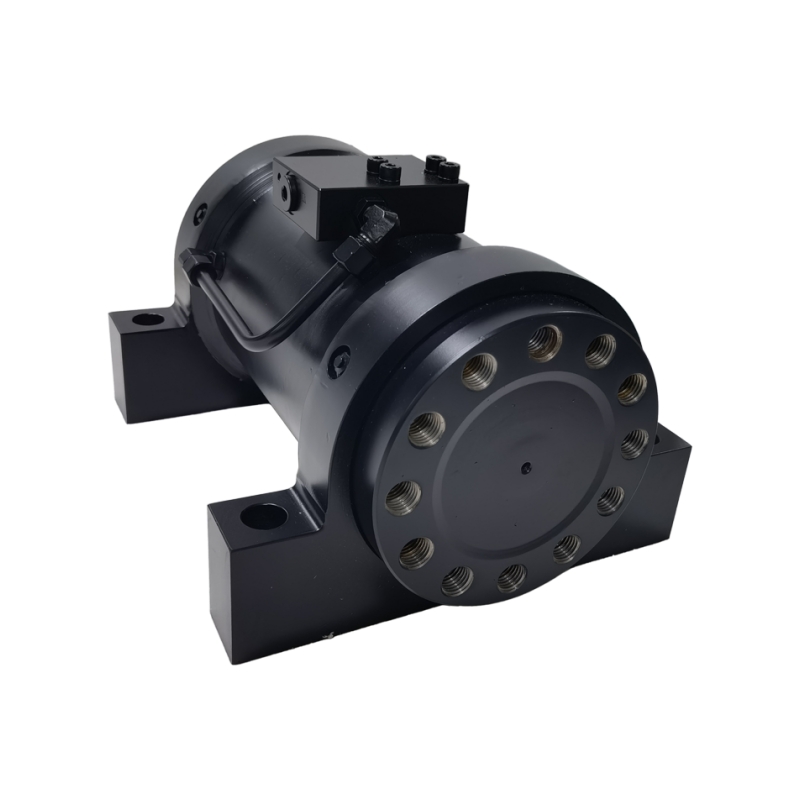
With the Komatsu Tilt Rotator, I offer a precision hydraulic tool that turns an excavator into a versatile lifting, digging, and material-handling unit. As a Manufacturer, I designed it for demanding job sites and large fleets, delivering reliable performance, easy service access, and long life. The tilt-rotator delivers 360-degree rotation and a wide tilt range for trenching, grading, and loading without re-positioning the base machine. Compatible with most Komatsu carrier frames, it cuts cycle times, reduces fuel use, and lowers redeployment costs. For Wholesale buyers and contractor fleets, the value is in reduced downtime and standardized maintenance. I include installation kits, regular lubrication guidance, and optional remote diagnostics to keep you in control. Backed by proven components and a responsive support team, this tilt rotator is built to maximize productivity on every project.
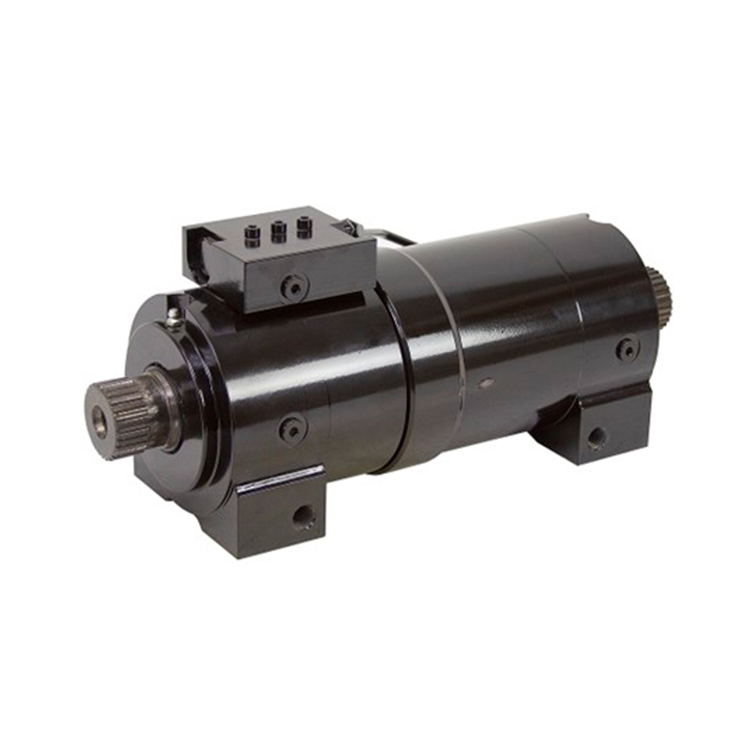
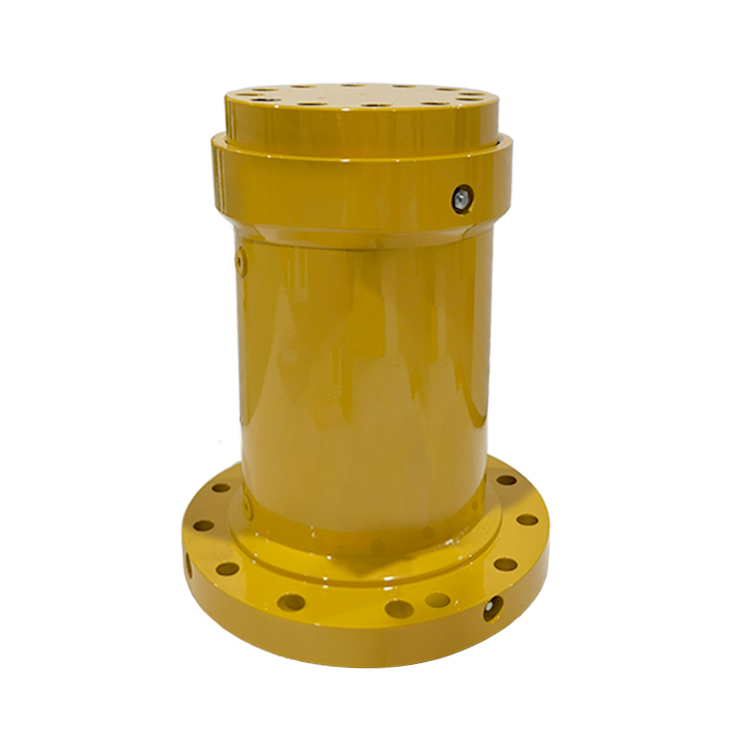
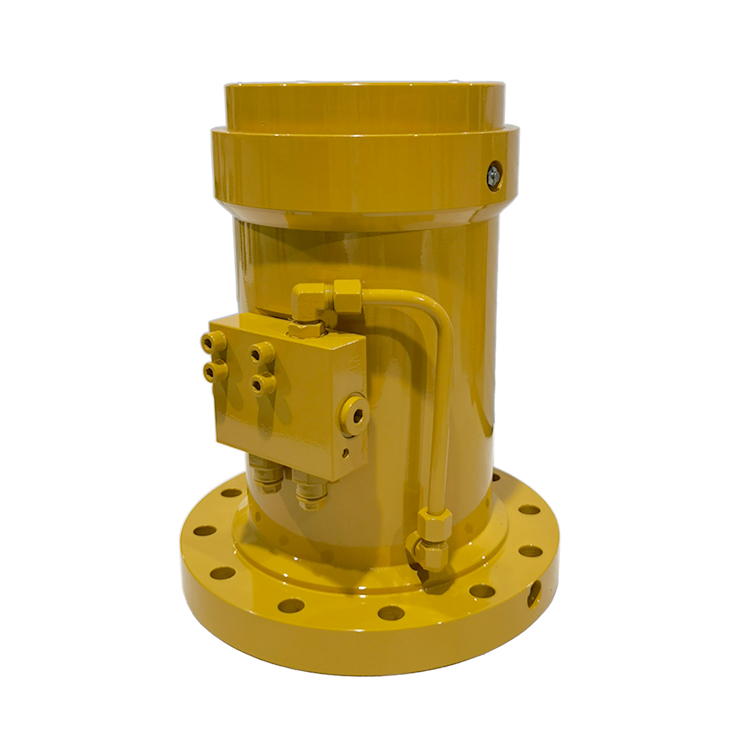
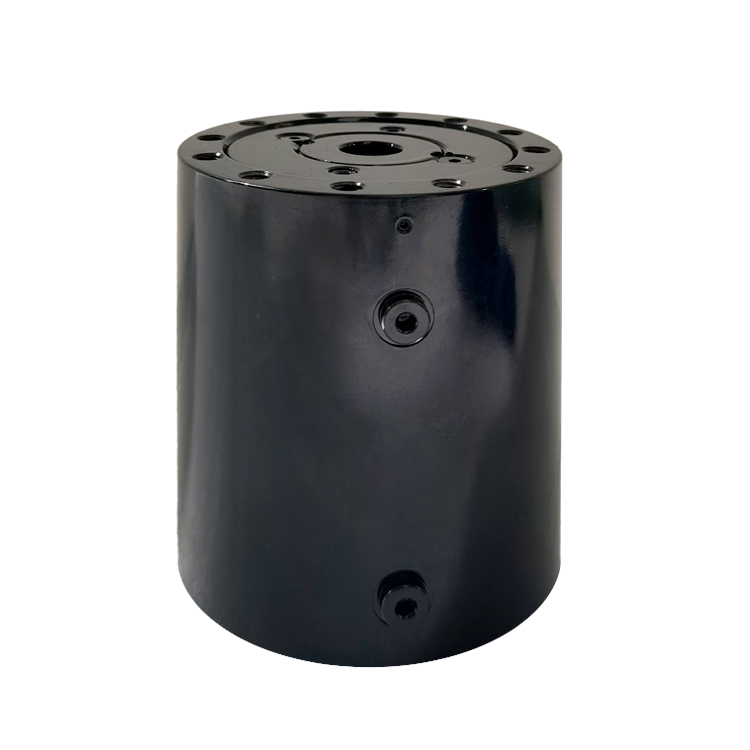
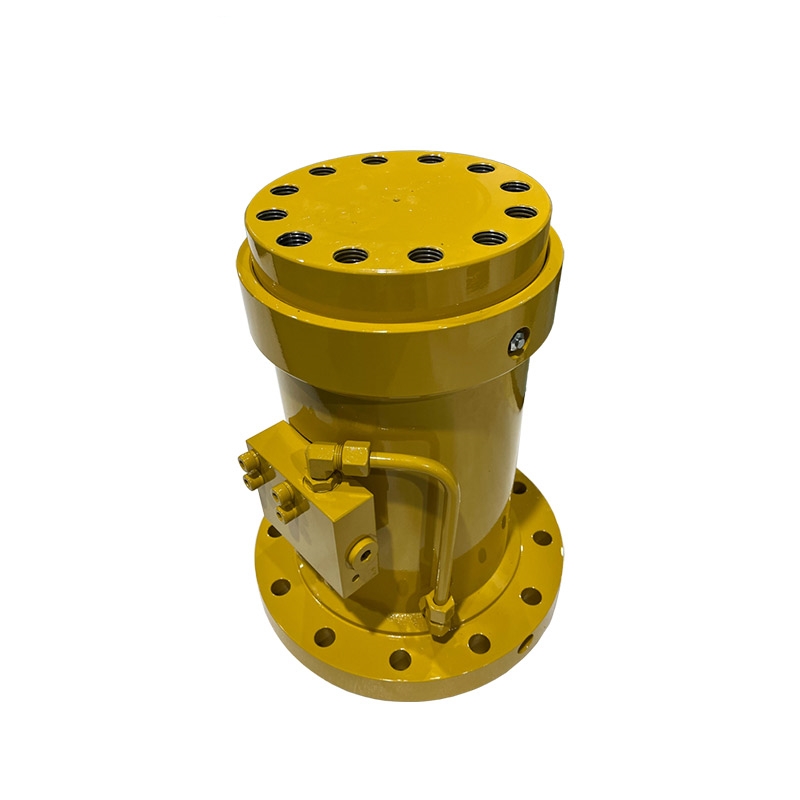

Komatsu Tilt Rotator Manufacturer Service
Global buyers seek tilt-rotator solutions that deliver precision, durability, and easy hydraulic integration. A dedicated manufacturing service provides rugged housings, precise components, and sealed circuits for harsh sites. Options include mounting adapters, multi-function valves, and high-torque motors with built-in diagnostics that connect to common controllers. Each unit is factory-tested with simulated loads to ensure reliable performance before shipment. From order to delivery, the process emphasizes scalable production, clear lead times, and dependable after-sales support. Flexible batch sizes, standardized parts, and a responsive supply chain minimize inventory while maintaining quality. Documentation, installation guidance, remote troubleshooting, and ready spare parts enable continuous operation across regions. This service helps fleets upgrade safely, boost productivity, and protect resale value.
| Component | Key Specs | Hydraulic Requirements | Typical Weight | Recommended Service Interval | Estimated Service Time | Inspection Checklist | Common Faults | Typical Diagnostic Steps |
|---|---|---|---|---|---|---|---|---|
| Tilt Rotator Core Unit | Rotation torque: 8.5 kNm; Max tilt: ±45°; Slew speed: 8 rpm | Flow: 60–120 L/min; Operating pressure: 250–320 bar | ≈ 420 kg | 1000 hours or annually | 6–8 hours | Visual cracks/welds; bearing play; torque performance test; oil cleanliness check | Excessive play; oil leaks; reduced torque | Visual inspection; pressure & torque test; bearing clearance measurement; oil analysis |
| Tilt Drive Mechanism | Tilt torque: 5.2 kNm; Tilt speed: 20°/s | Flow: 50–100 L/min; Peak pressure: ~280 bar | ≈ 210 kg | 500 hours | 3–4 hours | Gear teeth inspection; backlash measurement; seal condition; lubricant level | Gear wear; seal failure; abnormal noise | Endplay & backlash measurement; oil particle count; visual gear check |
| Hydraulic Motor | Displacement: 200 cc/rev; Max speed: 1800 rpm | Flow: 40–150 L/min; Max pressure: 320 bar | ≈ 45 kg | 1000 hours | 2–3 hours | Shaft runout; leakage check; bearing noise; temperature monitoring | Internal leakage; overheating; cavitation | Flow/pressure test; temperature profiling; noise & vibration analysis |
| Control Valve Assembly | Pilot pressure: ~30 bar; Multi-spool; Solenoid-controlled | Flow rating matched to system; typical pilot supply 20–30 L/min | ≈ 18 kg | 500 hours | 1–2 hours | Spool movement free; solenoid function; contamination level; pressure drop | Sticking spool; internal leakage; electrical faults | Spool movement test; electrical continuity; pressure drop and leak-down checks |
| Hoses & Fittings | Sizes DN16–DN32; steel-braided, rated for high pressure | Supports system flows 60–140 L/min; max working pressure ≥ 320 bar | variable (typ. 4–12 kg) | 250 hours; daily visual check recommended | 1–2 hours | Abrasion/chafing; crimp integrity; connector torque; external damage | External leakage; abrasion; connector loosening | Pressure test; dye or leak detection; visual routing and clamp check |
| Electrical Controls & Sensors | Angle sensors ±0.1°; Control voltage 12–24 VDC | Low-voltage supply; protected from hydraulic ingress (IP67 typical) | ≈ 5 kg | Annual or per repair | ~1 hour | Connector corrosion; wiring harness wear; sensor calibration; ingress seals | Intermittent signals; sensor drift; connector corrosion | Continuity & insulation test; sensor calibration; software diagnostics |
| Mounting Interface (Coupler) | Interface tolerance ±0.5 mm; Pin diameters 40–80 mm (typical range) | — (mechanical interface) — | ≈ 75 kg | 1000 hours or after heavy impact | 2–3 hours | Pin wear check; locking mechanism operation; alignment verification | Pin wear; locking failure; misalignment after impacts | Gauge pin diameters; function & lock test; dimensional check |
| Grease Points & Bearings | Grease type: NLGI 2 recommended; fittings 8–12 points | — | typically 3–10 kg total | Every 50–100 hours (application dependent) | ~0.5 hour | Grease path clear; proper grease volume; bearing play; contamination | Insufficient lubrication; bearing wear | Grease sampling; play measurement; visual & tactile bearing inspection |
| Seals & O-rings | Materials: NBR / FKM depending on fluid & temperature; pressure rated up to 350 bar | Compatible with system fluid and operating pressure | negligible | 250–500 hours or on first sign of leakage | ~1 hour | Seal surface condition; extrusion signs; hardness & compression set | External/internal leakage; seal hardening or extrusion | Leak test; visual & dimensional inspection; replacement as required |
| Software Calibration & Diagnostics | Firmware check; calibration accuracy typically ±2% of full scale | Low-voltage data interface (CAN/analog depending on system) | ≈ 0.2 kg (control module) | Annual or after major repair/part replacement | 0.5–1 hour | Firmware version; sensor offsets; actuator response; log review | Calibration drift; communication errors; outdated firmware | Update firmware; recalibrate sensors; review diagnostic logs; bus communication test |
Related Products
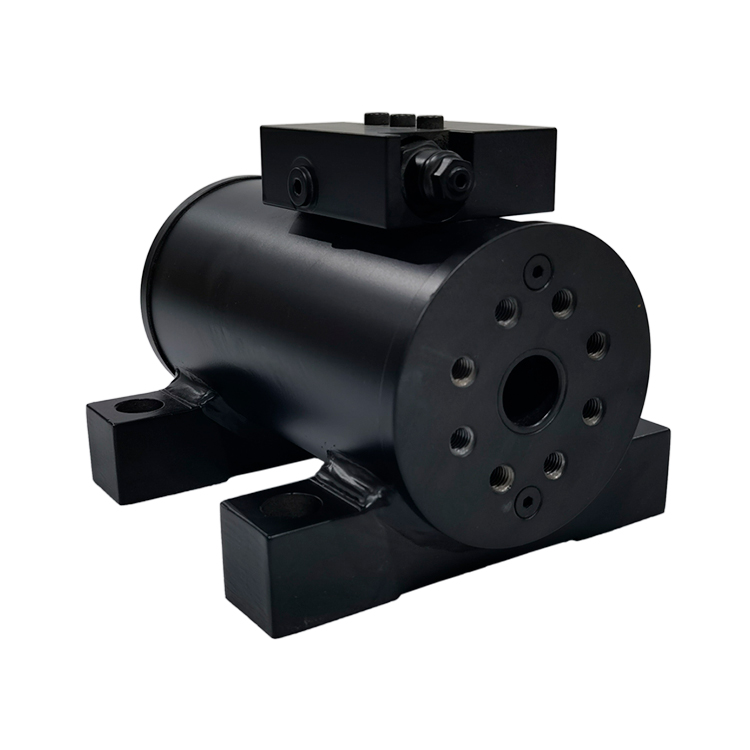

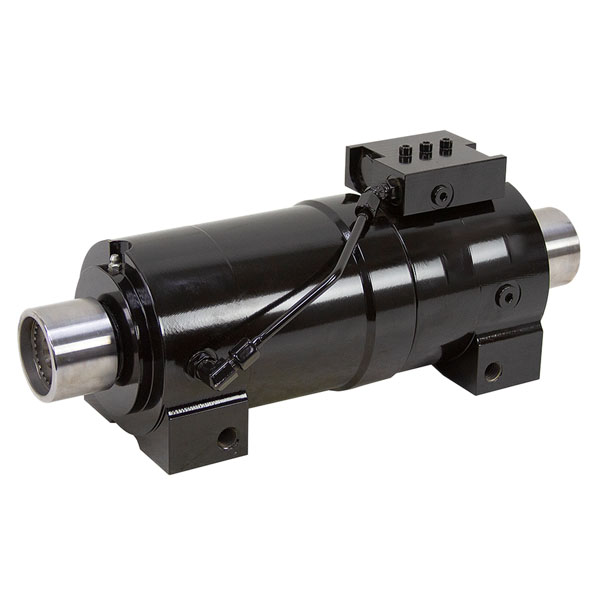
Komatsu Tilt Rotator Winning in 2025 From Concept to Delivery
Top Selling Products
4.jpg)
2.jpg)

- Related Blog
- Related Videos
- Reviews
- Related Videos
- Reviews
