
Difference Between Cylinder and Actuator: Insights for OEM Suppliers
When considering the difference between cylinder and actuator, it’s essential to understand their roles in our industry. As an OEM supplier, I've seen firsthand how these components interact in various applications. Cylinders primarily convert energy into linear motion, while actuators can provide rotational or linear movement, depending on their design. This distinction is crucial for ensuring you select the right product for your project. Our extensive range of cylinders and actuators caters to diverse needs, whether you’re automating machinery or enhancing precision in manufacturing. By working directly with trusted suppliers, we ensure high-quality products that meet strict performance standards. When choosing between these devices, think about your specific application requirements. I’m here to help you navigate these differences, ensuring optimal performance and efficiency in your operations. Let’s connect and discuss how we can fulfill your needs effectively!
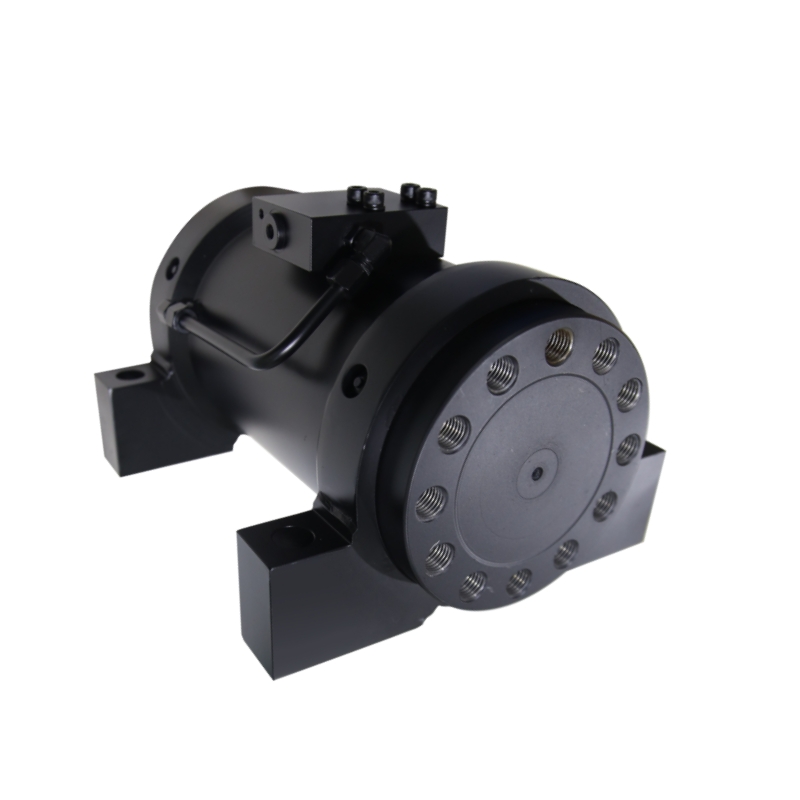

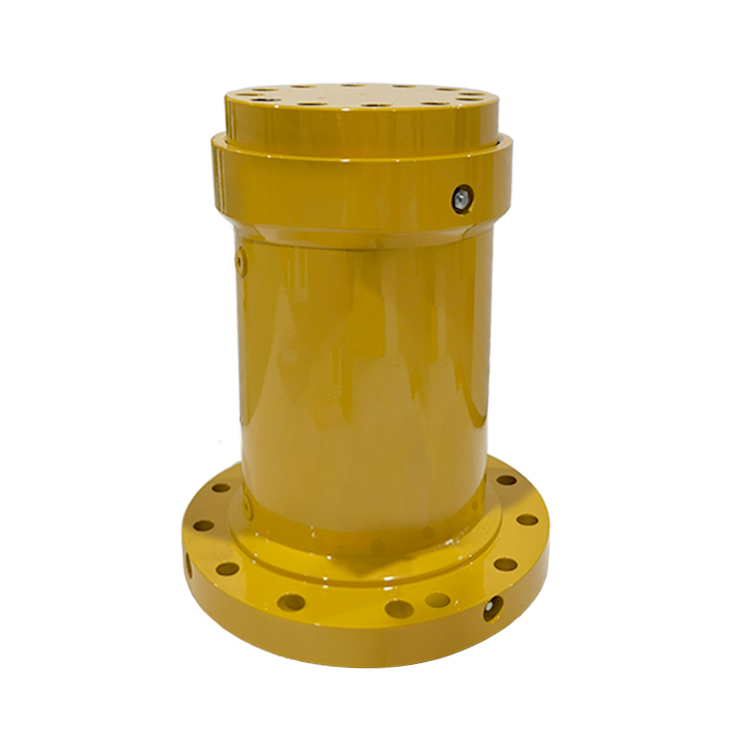

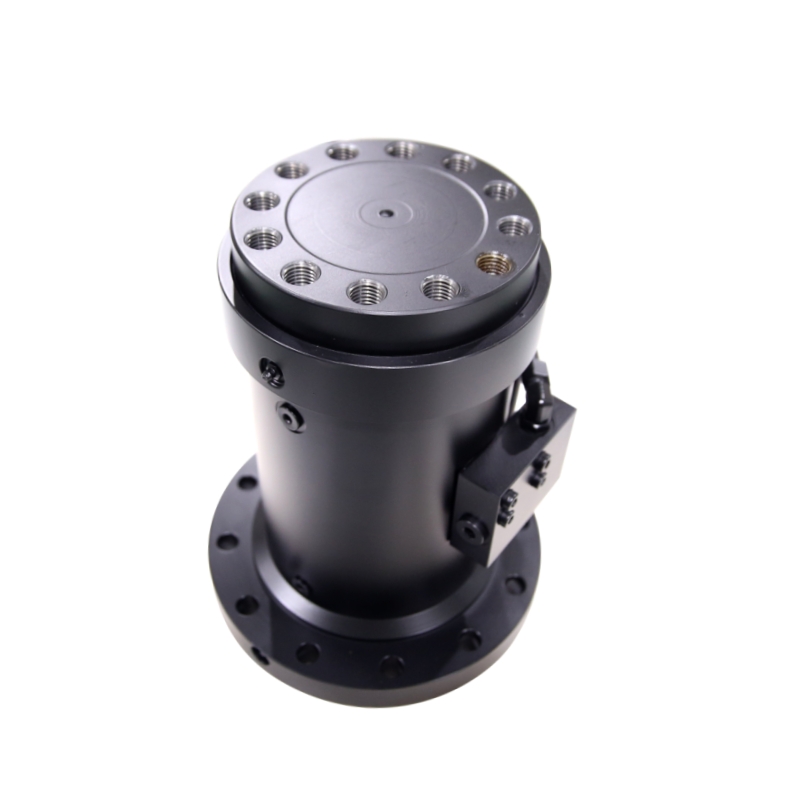

Difference Between Cylinder And Actuator Supplier Ahead of the Curve
In the world of hydraulic engineering, understanding the nuances between different component suppliers is essential for optimizing performance and achieving operational excellence. Two critical players in this domain are cylinder suppliers and actuator suppliers. While both are integral to hydraulic systems, they serve distinct functions that can significantly impact system efficiency and overall project success. Cylinder suppliers focus on providing hydraulic cylinders that convert hydraulic energy into linear motion. They prioritize factors such as robustness, precision, and durability to ensure their products meet the demanding requirements of various applications. On the other hand, actuator suppliers offer devices that can encompass different types of motion, including rotary and linear movements. This diversity enables actuators to cater to broader applications, providing flexibility in design and function. When selecting suppliers, it’s crucial for global procurement professionals to consider not only the quality of the products but also the supplier's ability to innovate and adapt to changing market needs. Collaborating with suppliers who are ahead of the curve helps businesses to secure advanced technology and competitive advantages. By choosing the right partnerships, organizations can enhance their hydraulic systems, increase reliability, and ultimately drive operational efficiency. This strategic approach can lead to long-term success in the competitive landscape of hydraulic engineering.
Difference Between Cylinder And Actuator Supplier Ahead of the Curve
| Dimension | Cylinder Supplier | Actuator Supplier | Key Features | Applications |
|---|---|---|---|---|
| Bore Size | 25 mm | 20 mm | High Pressure Resistance | Automation Machinery |
| Stroke Length | 100 mm | 75 mm | Smooth Operation | Material Handling |
| Operating Pressure | 6 bar | 5 bar | Quick Response Time | Robotic Applications |
| Weight | 1.5 kg | 1.2 kg | Compact Design | Automated Conveyors |
| Response Time | 20 ms | 15 ms | Energy Efficient | Precision Operations |
Related Products
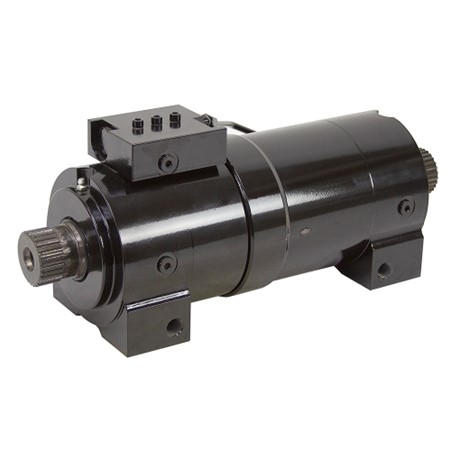
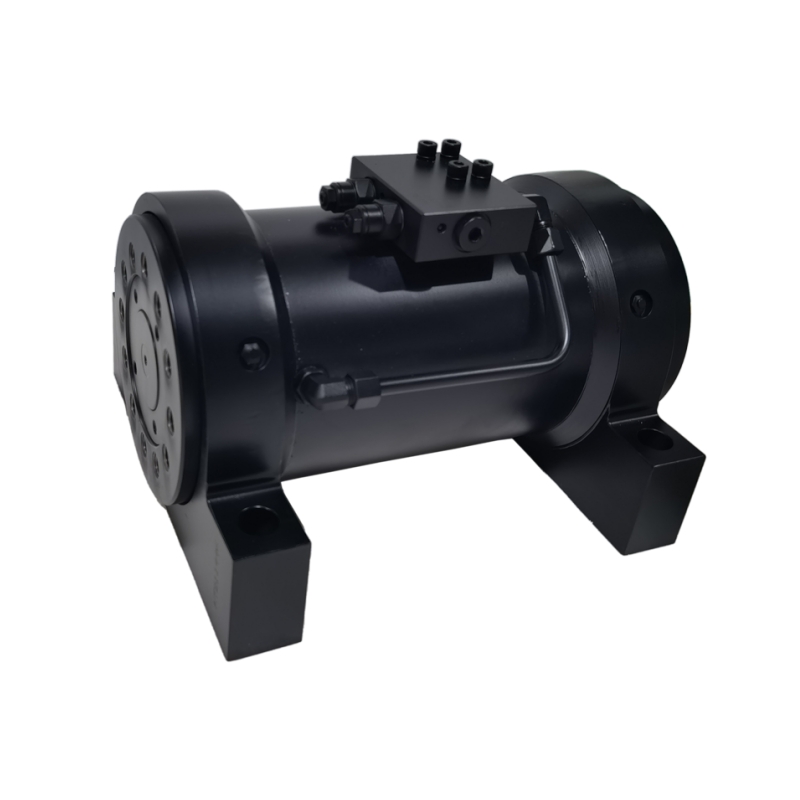
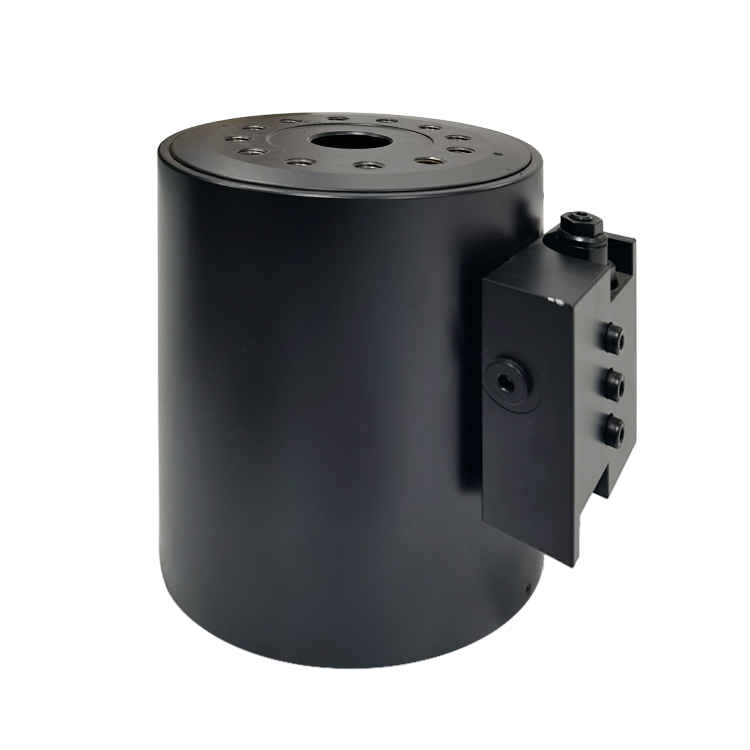
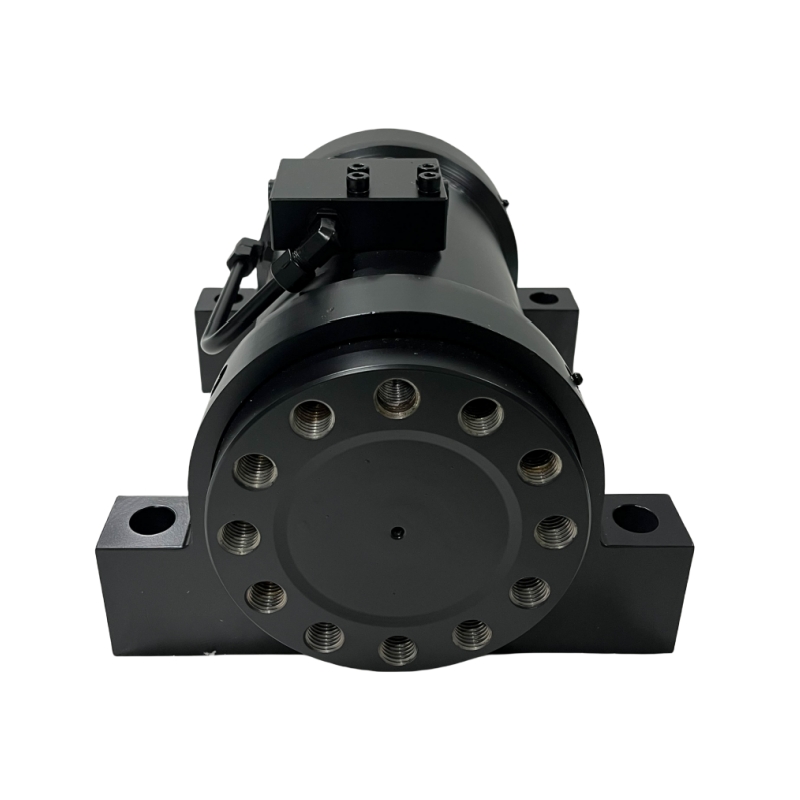
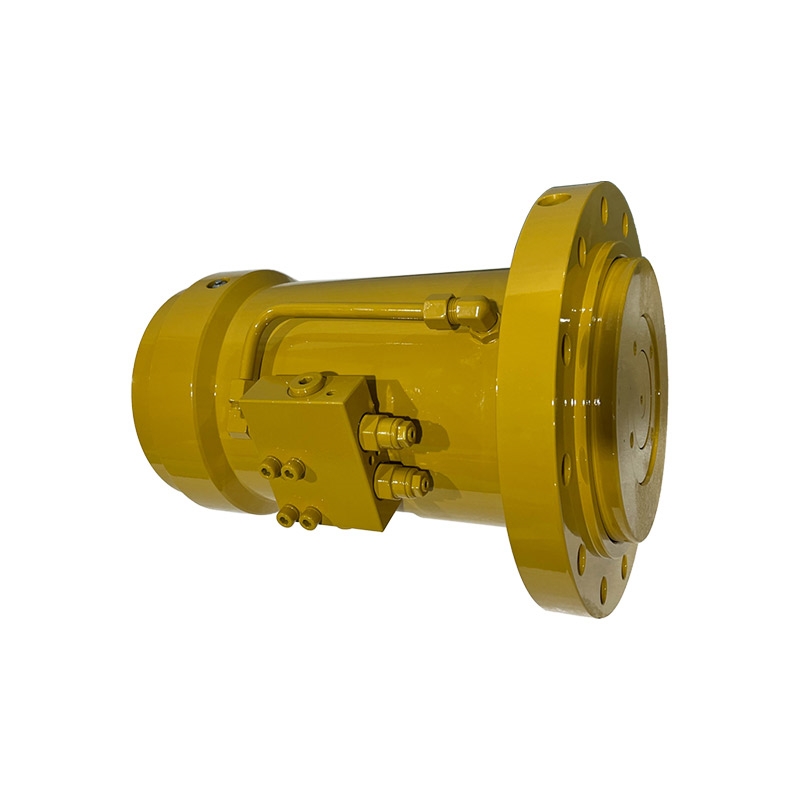
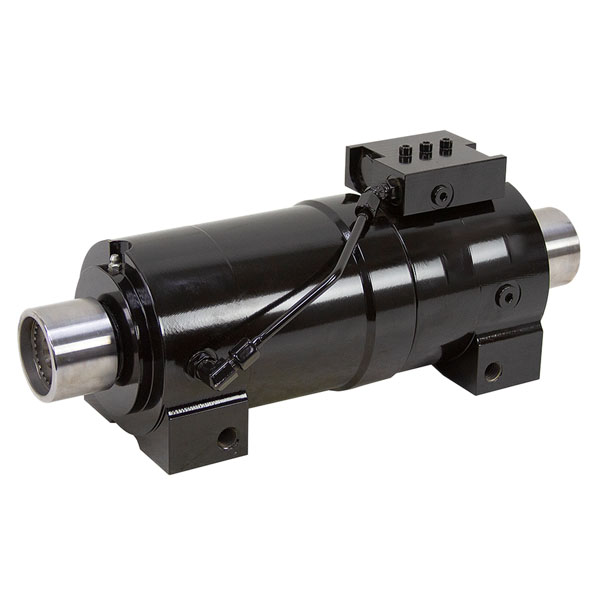
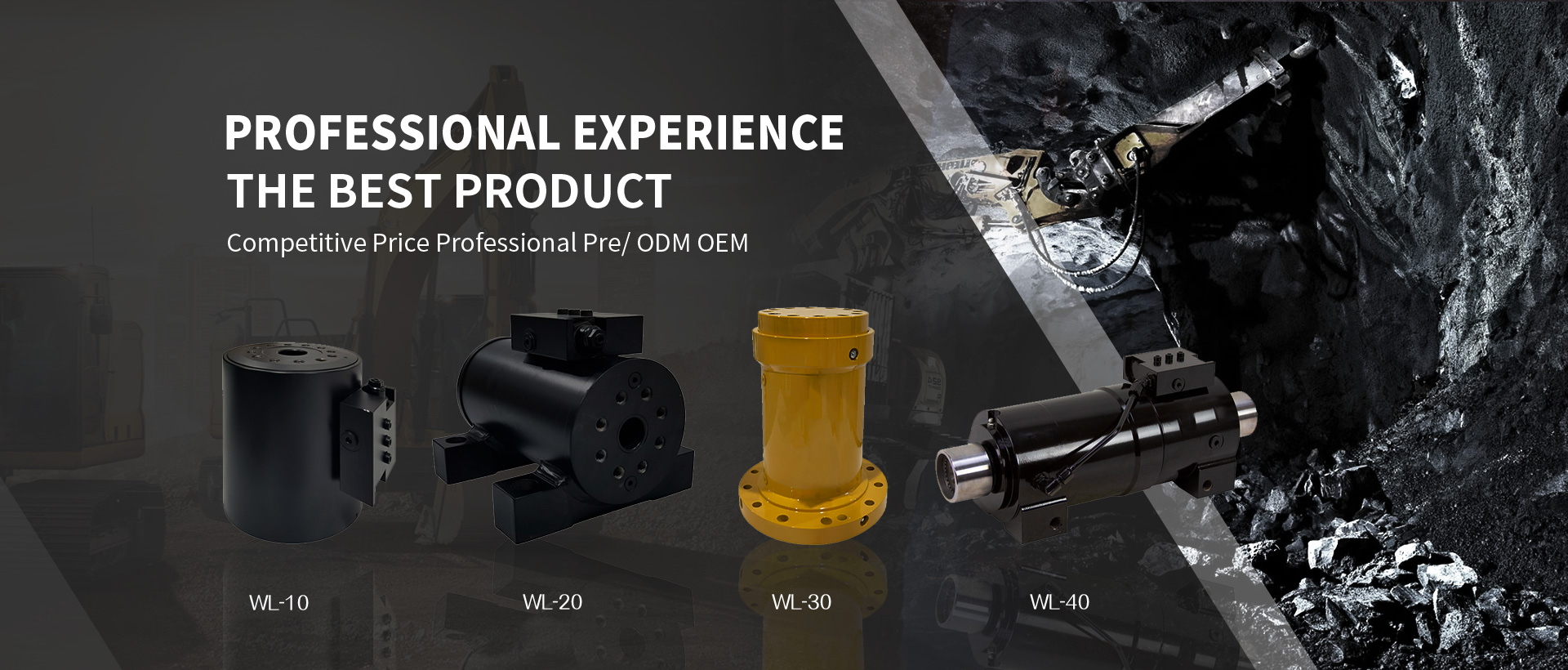
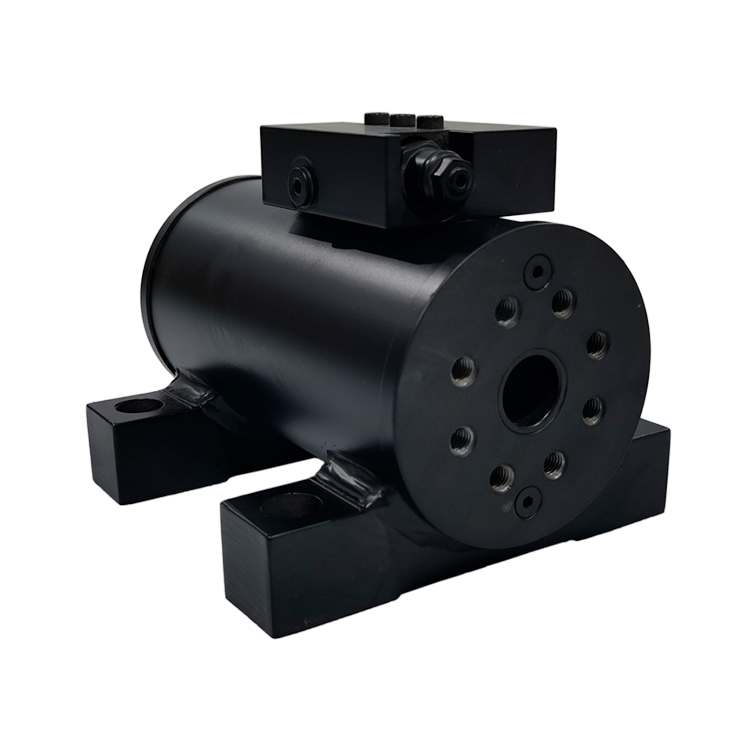
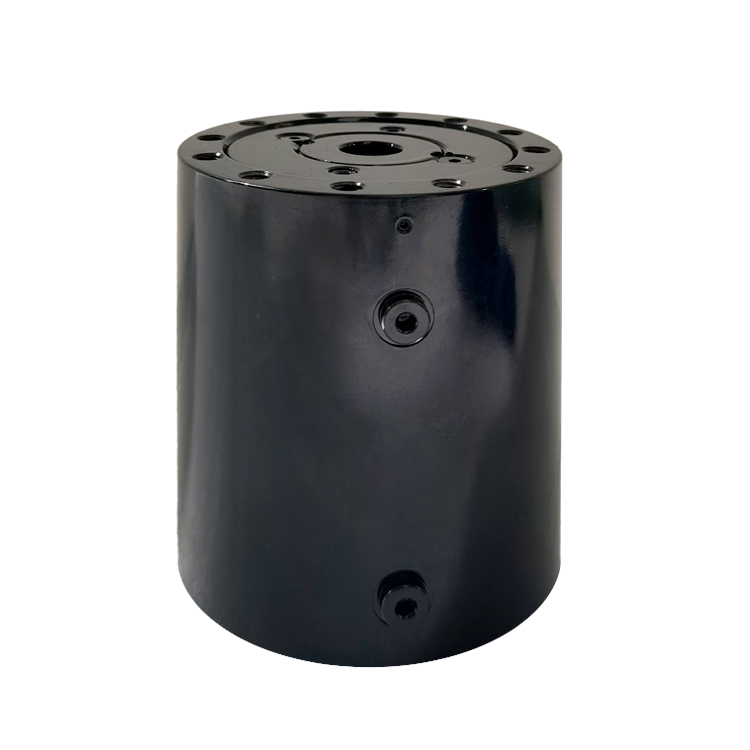
Difference Between Cylinder And Actuator Products Where Service Meets Innovation
Top Selling Products

- Related Blog
- Related Videos
- Reviews
- Related Videos
- Reviews
