
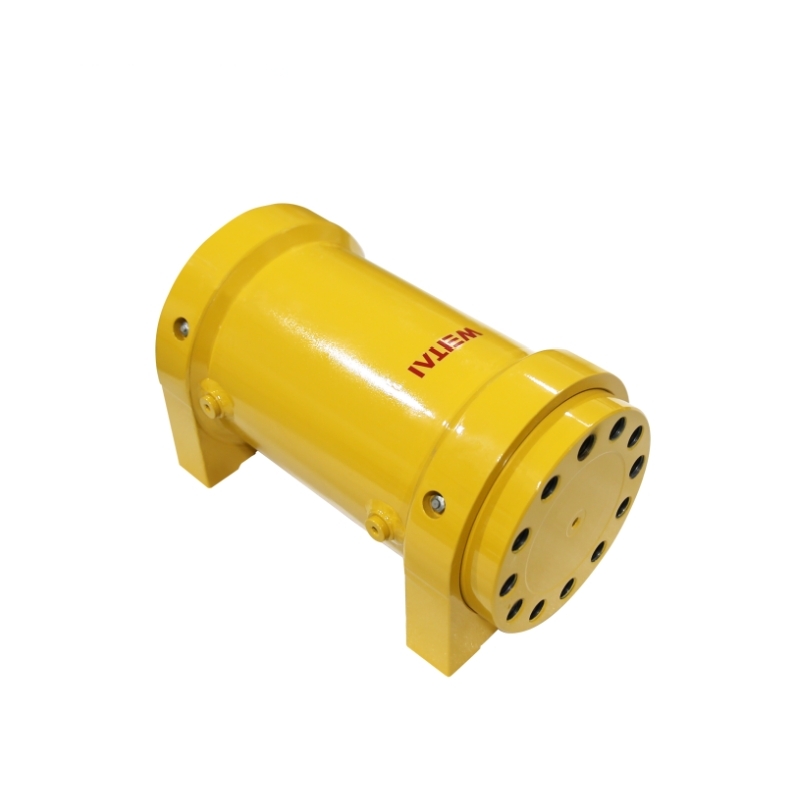
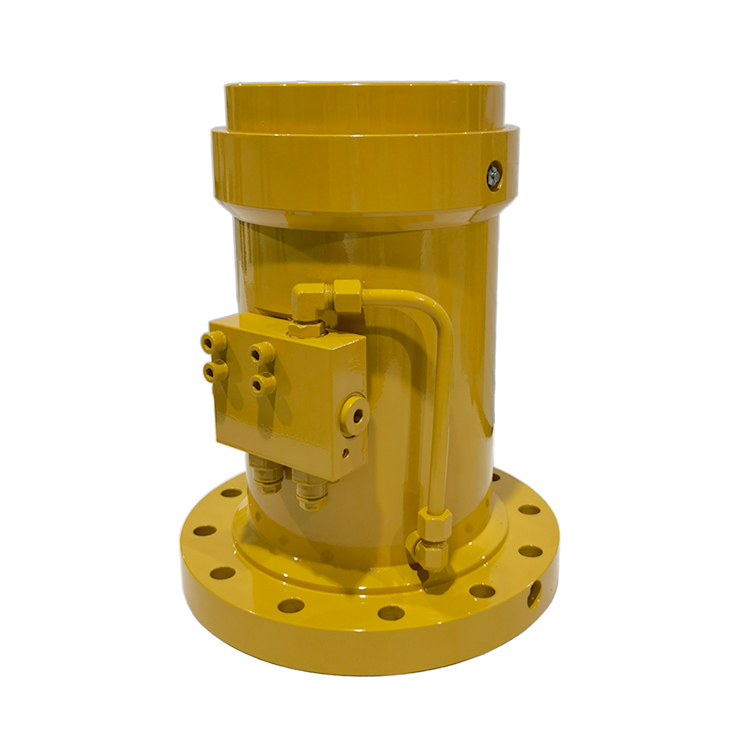
High-Quality Rotary Actuator Tilt Coupler from Top Manufacturers
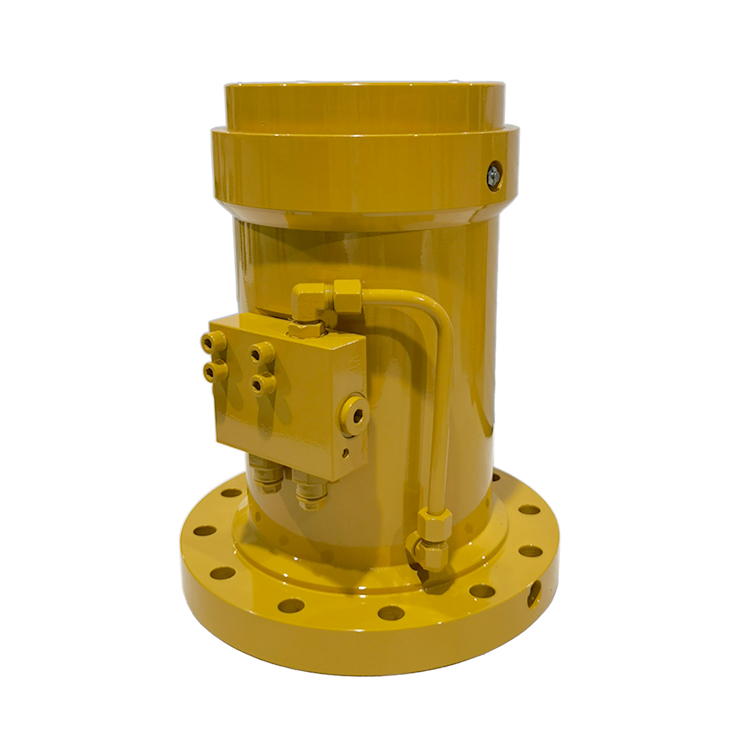
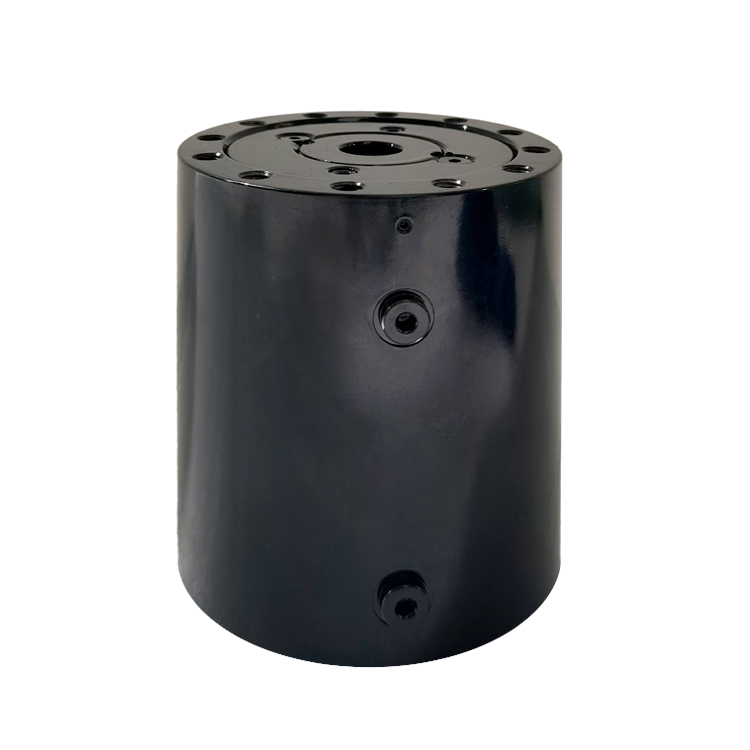
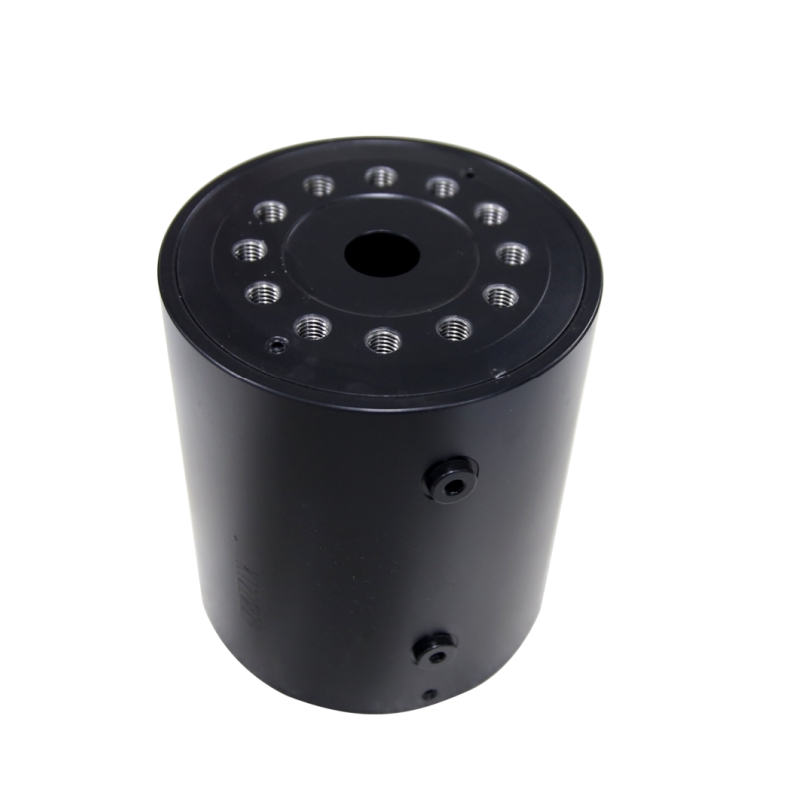
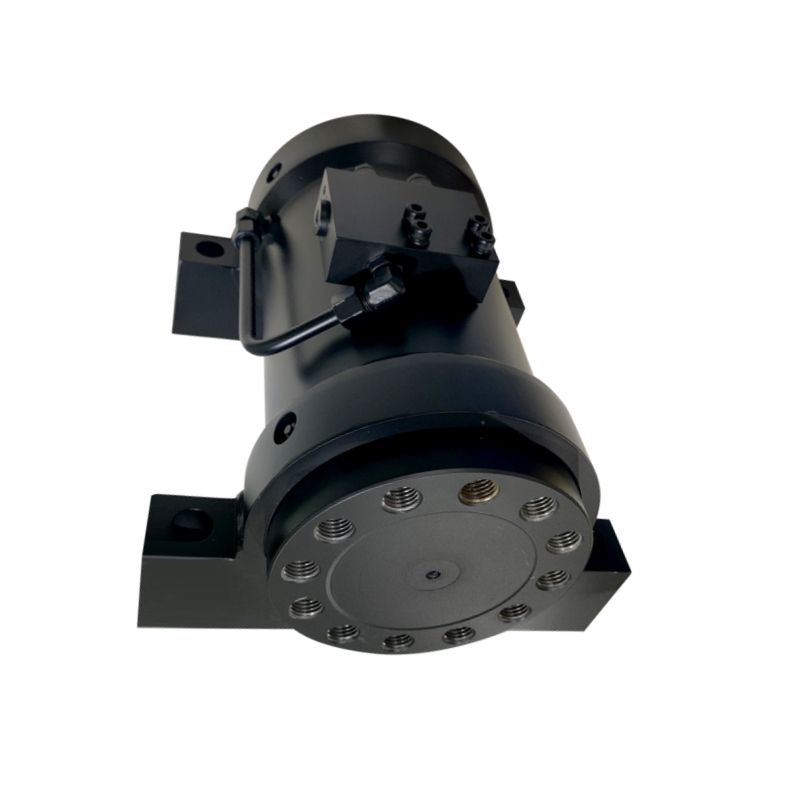
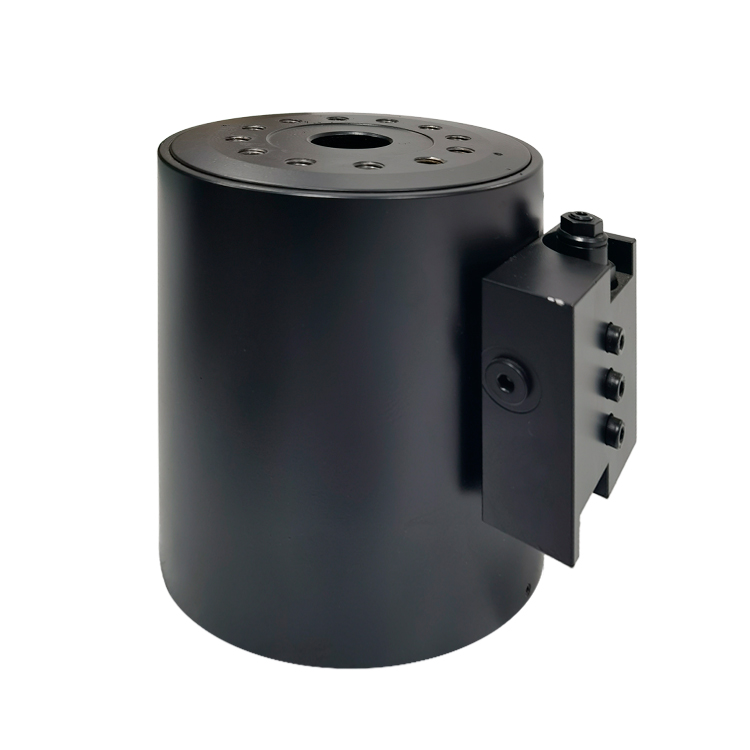
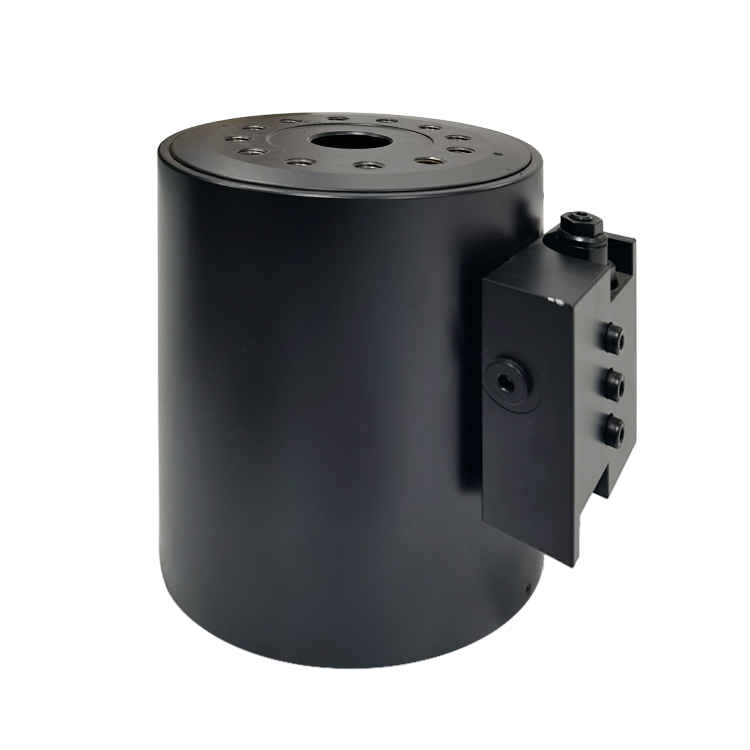
We deliver the Rotary Actuator Tilt Coupler with a focus on High-Quality performance for Manufacturers seeking reliable motion control. I work with engineers who need precise tilt alignment and sturdy torque transfer, and our design keeps backlash minimal while maintaining smooth operation under heavy loads. This coupler is built from corrosion-resistant alloy and sealed to IP65/IP67, depending on version, ensuring long service life in challenging environments. Installation is straightforward—modular clamping, clean alignment marks, and compatible mounting patterns fit most standard rotary actuators. We provide tight tolerances, tested torque curves, and vibration damping to protect your machinery from misalignment and wear. For our customers, customization options are available: bore size, surface finish, coating, and mounting style to meet exact specs. If you are a Manufacturer seeking consistent quality, I stand behind this Rotary Actuator Tilt Coupler as a dependable component that helps you hit production targets with less downtime.
3.jpg)
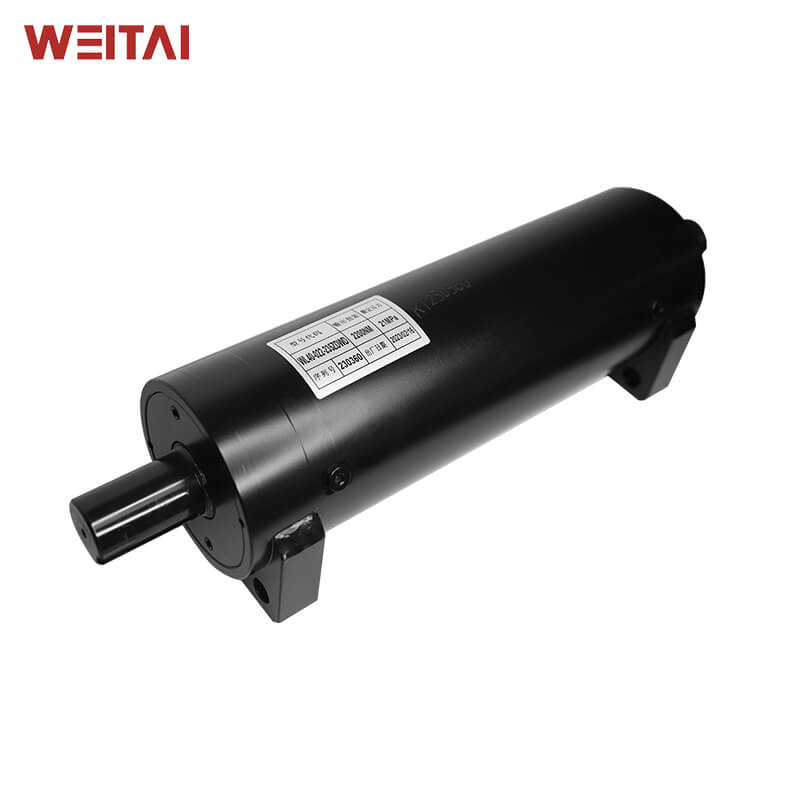

Rotary Actuator Tilt Coupler Where Innovation Meets 2025 Supplies the World\u2019s Top Brands
Global procurement is moving toward motion components that deliver repeatable performance and long service life. The rotary actuator tilt coupler combines precise tilt management with robust torque transfer, enabling smooth angular alignment in robotic arms, automation cells, and packaging lines. In 2025, supply reliability, standardized interfaces, and traceability are critical; a modular, misalignment-tolerant solution helps OEMs scale across plants while maintaining tight tolerances and predictable maintenance needs. Key capabilities include high-load capacity, compact footprint, sealed construction (IP67/IP68), corrosion resistance, and straightforward bolt-on installation. When paired with sensors, they enable condition monitoring, remote diagnostics, and predictive maintenance, reducing unplanned downtime. Custom options cover bore sizes, tilt angles, mounting standards, and integration with hydraulic actuators. For global buyers, a dependable supplier offers consistent quality, flexible lead times, and global logistics, keeping production online across diverse markets and applications.
| Model | Actuator Type | Torque (Nm) | Gear Ratio | Output Speed (rpm) | Tilt Range (deg) | Resolution (arcmin) | Repeatability (arcmin) | Weight (kg) | Voltage (V) | Current (A) | Operating Temp (C) | IP Rating | Material | Certification |
|---|---|---|---|---|---|---|---|---|---|---|---|---|---|---|
| TA-01 | Servo | 2.5 | 50:1 | 20 | 0–90 | 0.5 | 0.8 | 1.3 | 24 | 3.2 | -20 to 85 | IP54 | Aluminium alloy | CE, RoHS |
| TA-02 | Servo | 5.0 | 100:1 | 10 | 0–120 | 0.25 | 0.3 | 1.8 | 24 | 4.5 | -25 to 80 | IP54 | Aluminium + stainless shaft | CE, RoHS |
| TA-03 | Servo | 12 | 25:1 | 40 | 0–60 | 0.1 | 0.15 | 3.5 | 48 | 6.0 | -15 to 75 | IP65 | Anodized aluminum | CE, RoHS, ISO 9001 |
| TA-04 | Stepper | 1.0 | 20:1 | 8 | 0–180 | 0.5 | 0.8 | 2.2 | 24 | 2.0 | -20 to 85 | IP54 | Aluminium alloy | CE, RoHS |
| TA-05 | Servo | 15 | 60:1 | 15 | 0–90 | 0.25 | 0.15 | 4.6 | 48 | 7.0 | -30 to 70 | IP65 | Steel housing | CE, RoHS, REACH |
| TA-06 | Servo | 30 | 120:1 | 6 | 0–120 | 0.2 | 0.1 | 6.5 | 72 | 5.5 | -25 to 80 | IP65 | Titanium shell | CE, RoHS, ISO 9001, IEC |
Related Products
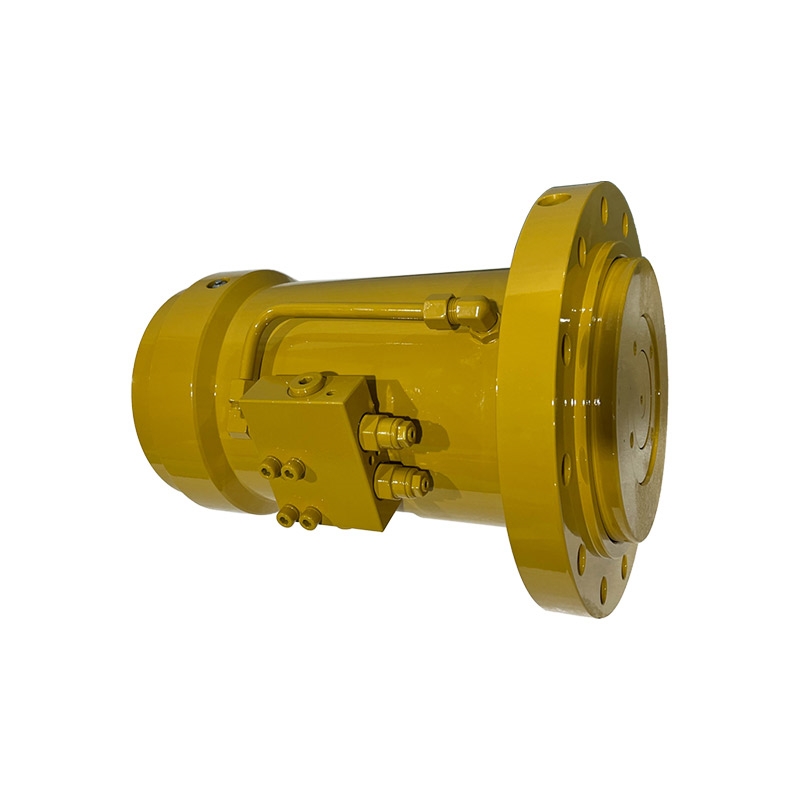

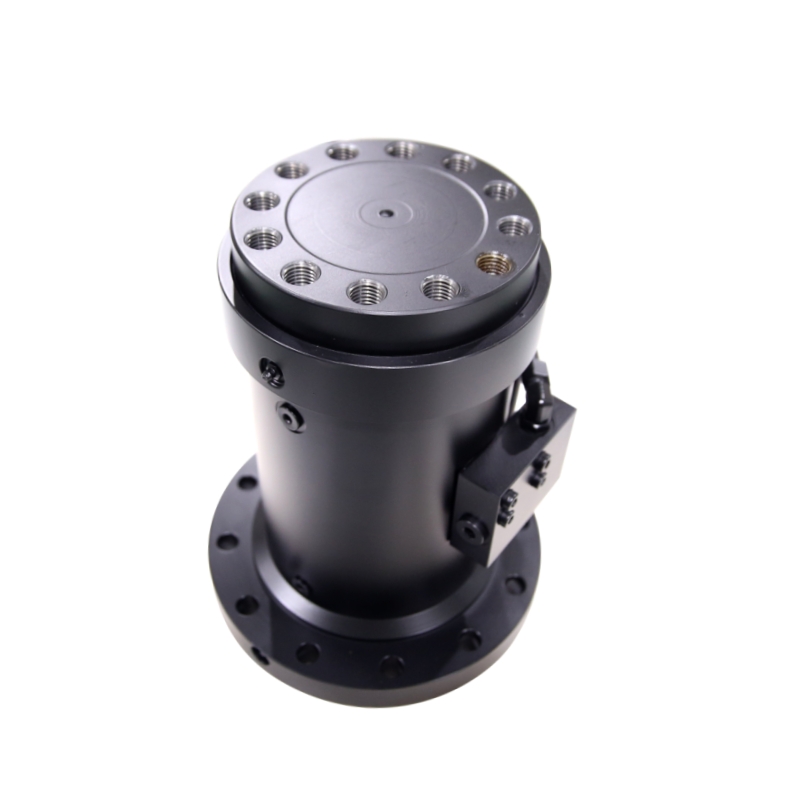

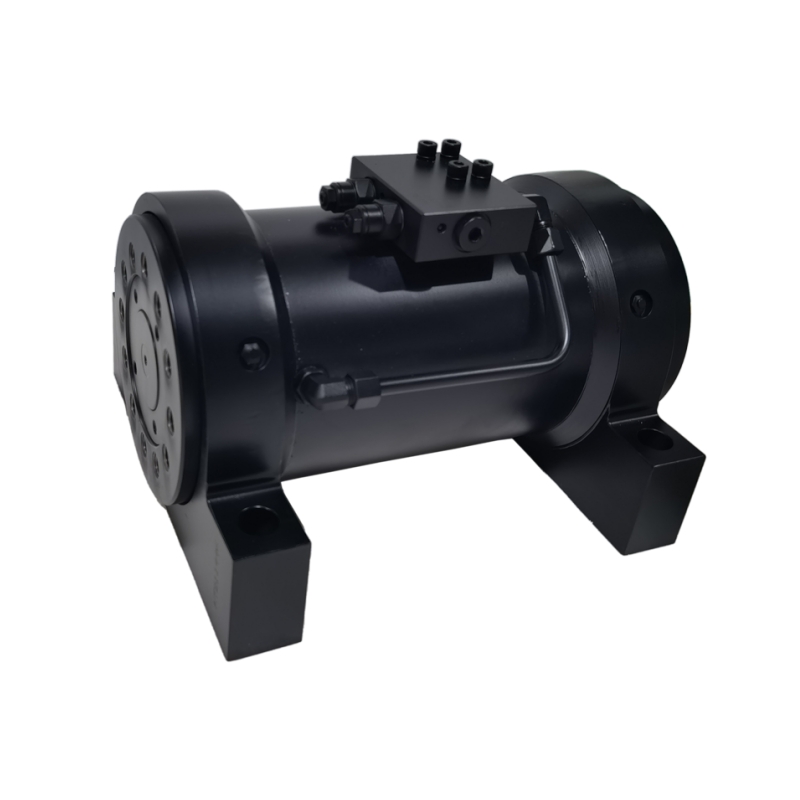
Rotary Actuator Tilt Coupler Application Your End-to-End Solution
Top Selling Products
4.jpg)
- Related Blog
- Related Videos
- Reviews
- Related Videos
- Reviews
