
WEITAI’s WPT Power Tilt (learn more about our WEITAI WPT Power Tilt Coupler solutions) combines a helical rotary actuator with a tilt coupler configuration for excavators; the suitable model depends on the carrier, mounting interface, hydraulics and attachment.
This guide explains where an excavator tilt coupler is useful across construction, landscaping and drainage work, then sets out the checks for OEMs, attachment suppliers and dealers. WEITAI lists WPT configurations for 1.8 to 27 tonne excavators, with a total tilt range of 140° or 180° depending on the model. Those published figures describe the listed configurations; they do not establish fit with every machine or bucket.
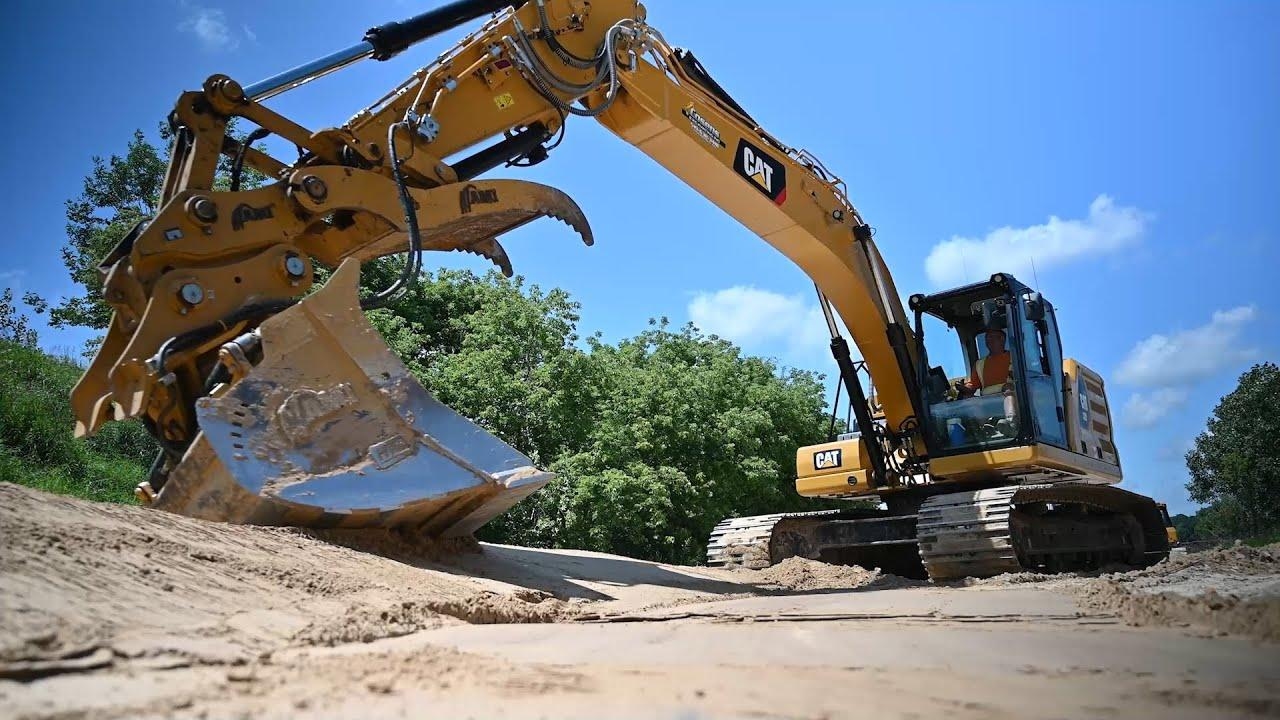
◆ 1. Construction: Finish Grading and Working Around Utilities
Finish grading is one of the clearest applications. When the ground falls away from the excavator, a tilting bucket can follow the intended surface more closely without requiring the machine to sit square to every section of the grade.
The same flexibility can help with embankments, road maintenance and angled trench work. On utility projects, attachment positioning also matters where access is limited by existing pipes, cables or nearby structures. The tilt function helps the operator approach the work from a practical machine position; the job still requires the appropriate bucket, hydraulic setup and site precautions.
- ✓ What to check: Required tilt angle, bucket width, working clearance, excavator stability and the coupler’s effect on working geometry.
Buyers may call this configuration an excavator tilt hitch or a tilting quick hitch. The names do not establish that every product has the same attachment interface or quick-change mechanism; confirm those functions in the product drawing.
◆ 2. Landscaping: Shaping Ground with Fewer Machine Moves
Landscaping often combines several small tasks in one area: shaping a bank, trimming an edge, preparing a drainage feature and finishing the surrounding surface. Frequent repositioning can interrupt that sequence, especially on confined residential or commercial sites.
A hydraulic tilt coupler allows the operator to change the bucket angle as the surface changes. For attachment suppliers and dealers, this is a useful application to demonstrate with actual grading footage: show the machine position, the changing bucket angle and the finished surface.
- ✓ What to check: Compatibility with the customer’s grading buckets, the space available to work and the amount of control needed for finishing.
For smaller landscaping machines, a tilt coupler for mini excavator applications needs particular attention to added weight, mounting dimensions and the carrier’s hydraulic capacity.
◆ 3. Drainage and Agriculture: Ditch Maintenance
Drainage ditches rarely present a flat, uniform working face. An operator may need to clean the bottom, trim a bank and move material clear of the channel. Bucket tilt can help the attachment follow those changing angles while the excavator works along the ditch.
This use case can be relevant to contractors maintaining agricultural drainage and access routes. Material, vegetation and ground conditions vary, so the coupler should be assessed as part of the complete machine and attachment setup.
- ✓ What to check: The attachment used for clearing, working angle, hydraulic requirements and exposure to mud and debris.
◆ 4. Demolition and Site Preparation: Controlled Positioning
In selective demolition and site preparation, attachment angle can matter as much as reach. A tilt coupler may help position a compatible attachment near an edge or structure where moving the entire excavator is difficult.
The application needs careful qualification. The coupler, attachment and excavator must be suitable for the intended loads and method of work. A tilt coupler does not replace the checks required for a demolition attachment or an approved lifting arrangement.
- ✓ What to check: Attachment compatibility, operating loads, clearance, coupler locking arrangement and the machine manufacturer’s limits.
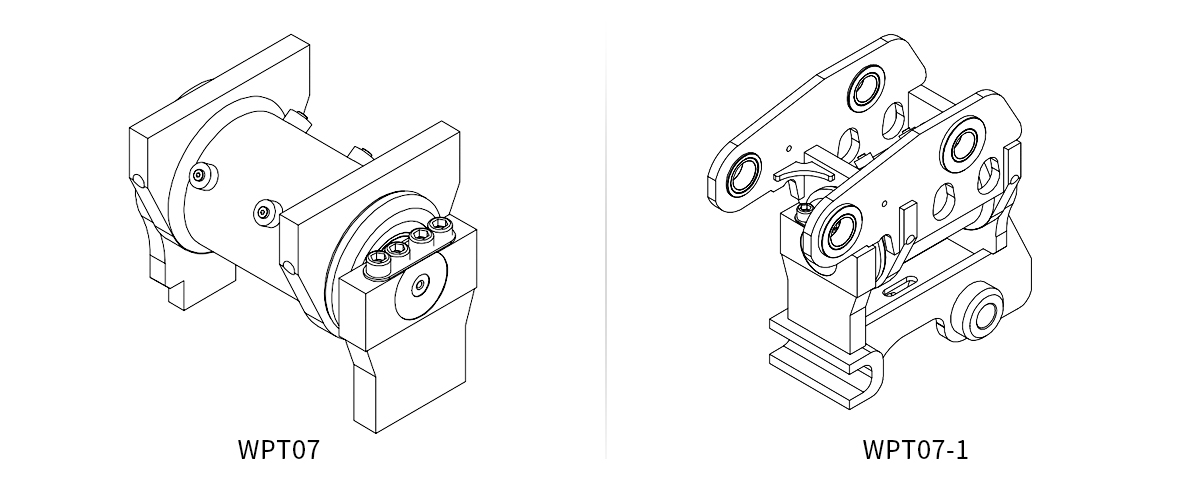
How to Choose a Hydraulic Tilt Coupler
- Carrier details: Excavator model, operating weight and available hydraulic flow and pressure.
- Attachment interface: Pin dimensions, mounting arrangement and the buckets or tools the customer intends to use.
- Required movement: The tilt range needed for the task. Maximum rotation varies by model.
- Working geometry: Added weight and height at the end of the arm, plus the effect on reach and digging performance.
- Retention and maintenance: How the attachment locks, what operators must inspect and which components can be serviced or replaced.
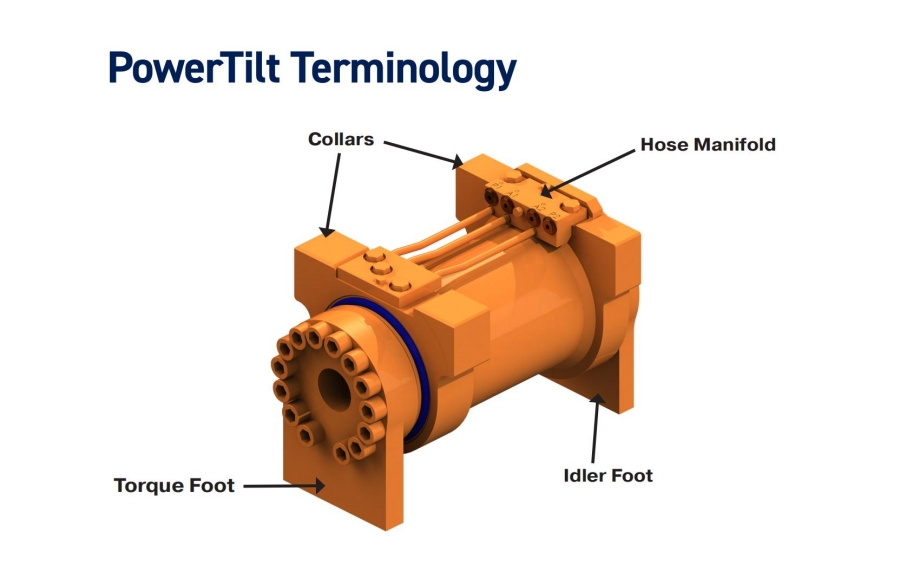
WEITAI’s WPT Power Tilt uses a helical rotary actuator design and is offered in configurations for different excavator sizes. Its published WPT specifications cover 1.8 to 27 tonne excavators; listed rotation is 180° on some models and 140° on others. If you need a tilt coupler for excavator integration, confirm the model and complete coupler configuration against the carrier and attachment before selection.
A Practical Starting Point for OEMs and Attachment Suppliers
A convincing application recommendation starts with a real task: the machine, the attachment, the surface being worked and the angle the operator needs. From there, WEITAI can review the mounting interface and hydraulic requirements to identify a suitable WPT configuration.
Planning a tilt coupler for a machine or attachment range? Contact WEITAI with your excavator model, attachment details and intended application at the WEITAI WPT Power Tilt Product Page to get expert technical selection support.
Post time: Sep-25-2026